The life of a commercial general contractor is one filled with multitasking, strategic planning, and problem-solving. Understanding the daily routine of these professionals sheds light on the significant contributions they make to the building industry. This article will walk you through the varied tasks and responsibilities that define the typical workday of a commercial general contractor, offering insights into the expertise required for this challenging role.
Commercial general contractors are pivotal in the execution of construction projects, seamlessly coordinating between different stakeholders to bring visions to reality. Their routine encompasses planning meetings, addressing client queries, and ensuring that project timelines are met.
This exploration will delve into the methods and technologies they employ, their preparation tactics, on-site management skills, and more nuanced aspects of their daily tasks.
What are the main responsibilities of a commercial general contractor?
A commercial general contractor plays a multifaceted role in project management, which involves coordinating all aspects of a construction project from inception to completion. They are responsible for ensuring that construction projects are completed on time, within budget, and to the specified quality standards. This requires them to plan, execute, and oversee various phases of the building process, making them the linchpin of any commercial construction effort.
Client communication is another crucial responsibility. A commercial GC must maintain open lines of communication with their clients to fully understand the project’s requirements and expectations. They provide regular updates, address any concerns, and ensure that the client’s vision is faithfully translated into reality, all while aligning with project constraints such as budget and time.
How does a commercial GC prepare for a new project?
Preparation is vital for any new construction project, beginning with initial client meetings where the foundation of the project is laid. During these sessions, commercial GCs listen to the client’s needs, discuss project goals, and begin setting realistic expectations. It’s a crucial step in building trust and starting a collaborative relationship that will guide the project forward.
What tools and technology do commercial general contractors use?
In the modern construction landscape, a commercial GC utilizes an array of tools and technologies to enhance efficiency and accuracy. Construction management software is a cornerstone, allowing GCs to manage project timelines, resources, and communications in a centralized platform. These digital tools provide real-time data and analytics, helping GCs make informed decisions swiftly.
Scheduling tools are indispensable for managing the myriad of tasks required in a construction project. These tools help in creating detailed schedules that account for every phase of construction, ensuring resources and personnel are optimally utilized. By keeping the project timeline visible, they allow commercial GCs to adjust dynamically to any changes or delays that might arise.
How do commercial GCs manage on-site operations?
Managing on-site operations is where the presence of a commercial GC truly shines, coordinating team activities to meet the construction goals efficiently. They bring together onsite personnel, subcontractors, and suppliers, ensuring everyone is aligned with the project’s objectives for smooth execution. This coordination is critical for maintaining productivity and minimizing disruptions on the construction site.
Monitoring construction progress is another vital responsibility, requiring commercial GCs to keep a vigilant eye on every stage of the building process. This includes scheduling site visits, attending daily briefings, and analyzing construction reports to ensure adherence to timelines and quality standards. By doing so, they can swiftly identify and mitigate any issues or delays.
How do commercial general contractors ensure project completion?
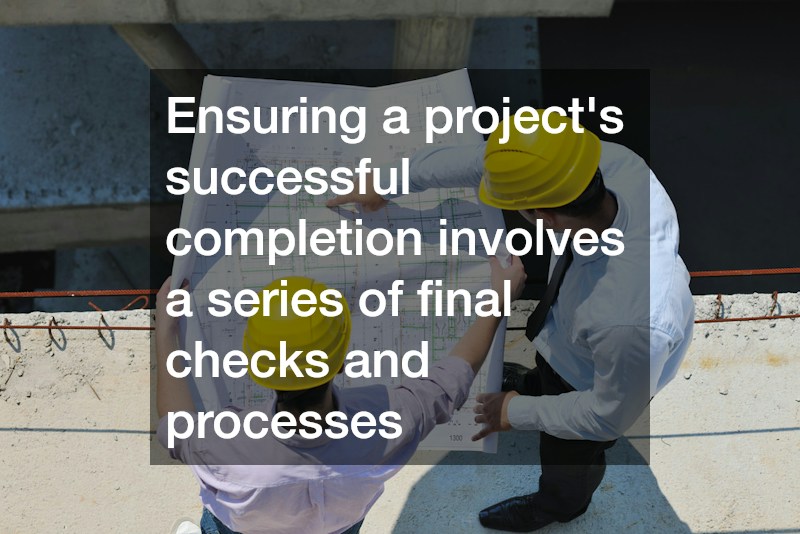
Ensuring a project’s successful completion involves a series of final checks and processes. Final inspections and approvals are critical, as they verify that the completed work meets all client specifications and regulatory standards. This involves a thorough walkthrough of the entire project, identifying any remaining tasks or adjustments needed before the official handover.
Client sign-off procedures formalize the completion, demonstrating that the client is satisfied with the outcome. Post-construction evaluations allow GCs to review the project’s successes and areas for improvement, providing valuable insights for future projects. These evaluations are often documented and used as references for future client engagements.
In conclusion, the daily routine of a commercial general contractor is a dynamic blend of management, communication, and technology application. They are master orchestrators, guiding construction projects from initial discussions through the successful completion while navigating the many challenges within the industry. The role demands precision, attention to detail, and an unwavering commitment to quality and compliance.
By mastering project management, resource allocation, on-site operations, and client interaction, commercial GCs ensure that construction projects are not only completed but excel in meeting expectations. Their expertise in utilizing modern tools and technology enhances their capability to deliver projects efficiently, reinforcing their position as indispensable leaders in the construction industry.