
Maintaining a home requires regular attention to its structure, mechanical systems, interior spaces, and outdoor surroundings. From addressing minor repairs to planning major renovations, homeowners must make decisions that protect their property, improve functionality, and support long-term comfort. Understanding common maintenance needs makes it easier to recognize problems early and determine when professional assistance is necessary.
Home improvement projects vary in complexity, cost, and urgency. Some tasks can be handled with routine maintenance, while others require specialized skills, permits, and careful coordination. A proactive approach helps homeowners prioritize essential repairs, manage budgets, and avoid preventable damage.
By developing a consistent maintenance routine and planning upgrades around household needs, homeowners can preserve their investment while creating a safer, more comfortable living environment.
Assess the Property and Prioritize Repairs
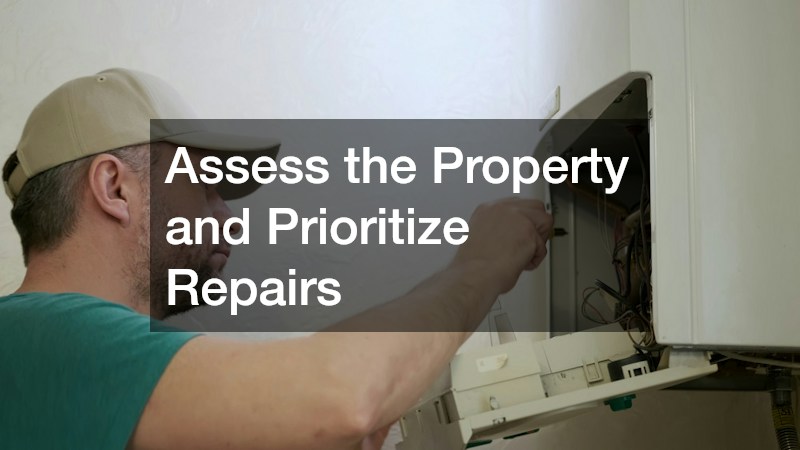
Before beginning any improvement project, evaluate the property’s overall condition. Inspect interior rooms, exterior surfaces, mechanical systems, and outdoor structures for signs of deterioration. Water stains, peeling paint, unusual odors, sticking doors, and unexplained increases in utility bills may indicate underlying problems.
Create a checklist to organize findings and determine which issues need immediate attention. Active leaks, exposed wiring, structural damage, and malfunctioning safety equipment should take priority over cosmetic improvements. Addressing serious problems promptly can prevent additional damage and reduce future expenses.
A practical inspection should include:
- Structural components: Check visible foundations, walls, floors, and ceilings for cracks or signs of movement.
- Roof and drainage: Look for damaged materials, clogged gutters, and water collecting near the foundation.
- Mechanical systems: Monitor plumbing, heating, cooling, and electrical equipment for unusual performance.
- Interior finishes: Identify damaged flooring, loose fixtures, and deteriorating paint.
- Outdoor areas: Examine walkways, fences, retaining walls, and other structures for instability.
Document concerns with photographs and written notes. This record helps track repairs, compare contractor estimates, and identify recurring problems. If an issue repeatedly returns, investigate its underlying cause instead of continuing to repair only the visible damage.
Protect Exterior Surfaces and Landscaping
A home’s exterior protects its interior from rain, wind, sunlight, and changing temperatures. Regular inspections of roofing materials, siding, windows, doors, and gutters help identify vulnerabilities before moisture or weather causes extensive damage.
Keep drainage systems clear and ensure downspouts direct water away from the foundation. Inspect exterior caulking and sealant for deterioration, particularly around openings where water could enter. Damaged siding and loose exterior materials should also be repaired promptly.
Landscaping requires attention because trees and overgrown vegetation can affect structures, drainage, and accessibility. Dead branches, leaning trunks, and roots near foundations or underground utilities may warrant professional evaluation. Working with tree care companies can help homeowners assess tree health, arrange appropriate pruning, and address potential hazards safely.
Outdoor improvements can further enhance the property’s appearance and usability. Patios, retaining walls, and walkways should complement the landscape without interfering with drainage. Experienced hardscaping contractors can recommend suitable materials and layouts based on the property’s grading, intended use, and maintenance requirements.
Homeowners should also establish seasonal routines for clearing debris, inspecting outdoor structures, and checking for storm damage. Consistent exterior maintenance helps preserve building materials while keeping outdoor spaces attractive and functional.
Improve Energy Efficiency and Indoor Comfort
Energy efficiency affects utility expenses, indoor comfort, and the performance of household equipment. Drafts, uneven temperatures, excessive humidity, and rising energy bills may indicate insulation problems, air leaks, or mechanical issues.
Windows are an important starting point. Damaged frames and deteriorating seals allow conditioned air to escape, making rooms less comfortable. Depending on the condition of existing units, replacement windows may improve insulation, reduce drafts, and help maintain more consistent indoor temperatures. Homeowners should compare materials, glazing options, and energy-performance ratings before choosing new units.
Heating and cooling systems also need routine attention. Replace filters according to manufacturer recommendations, keep outdoor equipment free of debris, and ensure vents remain unobstructed. When an air conditioner produces unusual noises, provides weak airflow, or struggles to maintain comfortable temperatures, professional AC repair may be necessary.
Homeowners can support efficiency by sealing appropriate gaps around exterior openings, improving attic insulation, and using programmable thermostats. Window coverings can also help manage sunlight and indoor temperatures.
Maintain Electrical Systems and Household Safety

Electrical systems support lighting, appliances, entertainment equipment, and essential household operations. Because electrical problems can create fire and shock hazards, homeowners should recognize warning signs and avoid attempting repairs beyond their expertise.
Frequently tripped breakers, buzzing outlets, flickering lights, burning odors, and discolored receptacles deserve attention. These symptoms may indicate overloaded circuits, loose connections, damaged wiring, or failing equipment. Repeatedly resetting a breaker without investigating the cause can allow a dangerous condition to persist.
For troubleshooting, electrical upgrades, and new installations, local electrical contractors can assess the system and recommend appropriate solutions. Professional assistance is especially important when renovating kitchens, finishing basements, or adding equipment that may increase electrical demand.
Homeowners should also test smoke alarms and carbon monoxide detectors according to manufacturer guidance. Avoid overloading outlets, keep electrical equipment away from moisture, and arrange inspections when purchasing an older property or completing extensive renovations.
Planning electrical requirements before construction begins can prevent costly changes later. Discuss outlet placement, lighting, ventilation, and equipment needs early in the design process. Confirm whether permits and inspections are required for the proposed work.
Electrical maintenance should always prioritize safety over convenience. Prompt professional evaluation can help identify problems before they cause equipment damage, service interruptions, or more serious hazards.
Prevent Roofing Problems and Water Damage
Water intrusion can damage insulation, drywall, flooring, framing, and personal belongings. Persistent moisture may also contribute to mold growth and deterioration hidden behind finished surfaces. Preventing water from entering the home is therefore essential to long-term property care.
Inspect accessible areas for damp insulation, ceiling stains, musty odors, and discoloration around exterior walls. Roof inspections should identify damaged materials, deteriorating flashing, and drainage problems. Because roof surfaces can be dangerous, homeowners should avoid climbing onto them without appropriate training and safety equipment.
When a roof has extensive deterioration, roof installation services may be necessary. The appropriate system depends on the building’s design, local weather, structural requirements, and budget. Homeowners should compare material durability, maintenance needs, ventilation requirements, and warranty terms before selecting a roofing option.
Request detailed written estimates that explain the proposed materials, labor, removal of existing roofing, flashing, and disposal procedures. Comparing the full scope of work is more useful than choosing a contractor based solely on price.
Preventive maintenance should include cleaning gutters, checking attic ventilation, repairing damaged flashing, and monitoring ceilings after severe storms. Plumbing leaks should also be addressed quickly, even when the affected area appears small.
Upgrade Storage and Interior Functionality
A home’s interior should support daily routines and accommodate changing household needs. Poor storage, cluttered walkways, and inconvenient layouts can make even spacious rooms feel difficult to use. Thoughtful improvements can create more functional living areas without requiring a major addition.
Begin by identifying where clutter accumulates and which belongings need better organization. Entryways may lack space for shoes and coats, while bedrooms and utility rooms may need additional shelving or cabinets.
For bedrooms and dressing areas, custom closets installation can provide storage tailored to available dimensions and individual preferences. Options may include adjustable shelves, hanging sections, drawers, shoe organizers, and dedicated accessory storage. A carefully planned layout makes belongings easier to access while maximizing usable space.
Other practical improvements include installing shelves in underused corners, adding hooks near entryways, and improving lighting inside closets and pantries. Before purchasing organizers, measure the available space and consider door swings, walkways, and access to utilities.
Storage solutions should prioritize functionality rather than appearance alone. Frequently used items should remain accessible, and heavy belongings should be supported by appropriately installed shelving. Keep electrical panels, plumbing shutoffs, and mechanical equipment accessible for maintenance.
When improvements involve moving walls, adding built-ins, or modifying electrical components, determine whether professional assistance or permits are necessary. Proper planning helps ensure that storage upgrades improve everyday convenience without interfering with essential building systems.
Maintain Plumbing, Ventilation, and Air Quality

Indoor air quality and moisture management influence household comfort and the condition of building materials. Plumbing leaks, excessive humidity, and inadequate ventilation can cause damage if left unresolved.
Inspect accessible pipes, faucets, toilets, and drain connections for leaks or deterioration. Slow drains, recurring clogs, damp cabinets, and unexplained increases in water consumption may indicate developing problems. Homeowners should know where the main water shutoff is located so they can respond quickly to significant leaks.
Bathrooms, kitchens, and laundry areas require effective ventilation to remove excess moisture. Clean exhaust fans regularly and investigate persistent condensation, musty odors, or damp surfaces. These conditions may indicate inadequate airflow or an unresolved leak.
A duct cleaning service may be appropriate when inspections reveal significant dust accumulation, contamination, or other problems affecting the duct system. However, routine cleaning is not automatically necessary for every home. The decision should depend on actual conditions and equipment maintenance recommendations.
Useful preventive practices include:
- Replace HVAC filters as directed by the manufacturer.
- Repair dripping faucets and leaking connections promptly.
- Keep exhaust fans clean and operating properly.
- Clear dryer vents of accumulated lint.
- Monitor indoor humidity and investigate persistent dampness.
- Maintain unobstructed airflow around vents and registers.
Cleaning alone cannot solve problems caused by continuing moisture or faulty equipment. Identifying and correcting the source is essential for lasting results. When contamination or extensive water damage occurs, qualified professionals can help determine the appropriate corrective measures.
Renovate Bathrooms With Practical Design Choices
Bathroom renovations can improve appearance, convenience, and accessibility. Because these spaces combine plumbing, electrical components, waterproofing, and moisture-sensitive finishes, successful projects require careful planning.
Start by evaluating the existing layout and identifying the most important improvements. A bathroom remodeling project might involve replacing a vanity, updating a shower, improving lighting, installing new flooring, or increasing storage. The appropriate scope depends on the room’s condition, available space, and household priorities.
Waterproofing deserves particular attention around showers, tubs, and other wet areas. Tile and grout provide finished surfaces but do not replace a properly installed waterproofing system. Following appropriate installation procedures helps prevent moisture from damaging underlying materials.
Consider these design priorities:
- Layout: Provide comfortable clearance around fixtures and doors.
- Storage: Include convenient space for toiletries, towels, and cleaning supplies.
- Lighting: Combine general illumination with suitable task lighting.
- Ventilation: Ensure moisture can be removed effectively.
- Accessibility: Consider slip-resistant flooring and easier-to-use fixtures.
- Durability: Choose materials designed for frequent cleaning and moisture exposure.
Budget for labor, materials, permits, disposal, and possible concealed damage. Older bathrooms may contain deteriorated plumbing or damaged subflooring that becomes apparent during demolition.
Plumbing alterations, electrical work, and structural changes may require qualified tradespeople and inspections. Coordinating these tasks before installing finished surfaces helps avoid unnecessary delays and rework.
A successful renovation balances appearance with practical performance. Durable materials, reliable waterproofing, adequate ventilation, and accessible storage can improve everyday use while helping protect the home from moisture-related problems.
Improve Boundaries and Outdoor Living Areas
Outdoor spaces contribute to privacy, security, recreation, and the overall usability of a property. Fences, gates, patios, and walkways require regular inspections to remain safe and functional.
Check fences for loose posts, leaning sections, rust, rot, damaged boards, and malfunctioning gates. Wood may require sealing or staining, while metal and vinyl systems have different cleaning and maintenance needs. Repairs should address deteriorated supports as well as visible surface damage.
When extensive damage or changing household needs make replacement necessary, a local fence company can help evaluate suitable materials, designs, and installation requirements. Before work begins, confirm property boundaries, local regulations, neighborhood restrictions, and underground utility locations.
Outdoor living improvements may include seating areas, garden beds, pathways, and exterior lighting. These features should complement the property while preserving safe access and effective drainage. Uneven walkways can create trip hazards, and poorly positioned patios may direct water toward the foundation.
Maintain outdoor areas by checking fasteners, repairing damaged surfaces, controlling vegetation, and keeping gates functional. Choose materials that suit local weather conditions and expected use.
Budget and Manage Home Improvement Projects

Successful renovations depend on clear goals, realistic budgets, and consistent communication. Without a defined plan, projects can expand beyond their original scope and become more expensive than anticipated.
Begin by identifying essential repairs and separating them from optional upgrades. Obtain written estimates that describe materials, labor, project timelines, and responsibilities. Check contractor qualifications, references, and insurance where applicable before signing an agreement.
A practical planning checklist includes:
- Define the project’s goals and expected results.
- Establish a budget with room for unforeseen expenses.
- Compare detailed proposals rather than headline prices alone.
- Confirm permit requirements and inspection responsibilities.
- Agree on scheduling, site access, and communication.
- Document approved changes to the original agreement.
- Retain receipts, warranties, and completion records.
Project sequencing matters. Electrical and plumbing work generally needs to be completed before walls are closed, while waterproofing must be addressed before bathroom finishes are installed. Coordinating contractors in the correct order can reduce delays and prevent rework.
Homeowners should discuss unexpected problems before authorizing additional work. Request an explanation of the issue, the proposed solution, and the associated cost. A written record of changes helps maintain accountability and keeps everyone aligned.
After completion, inspect the finished work against the agreement and document any outstanding issues. Confirm that required inspections have occurred and that maintenance instructions and warranties have been provided.
Prioritizing safety, selecting suitable materials, and hiring qualified professionals for specialized work can help prevent avoidable damage and unnecessary expenses. Clear budgets, organized records, and consistent maintenance routines also make it easier to manage responsibilities over time.