
Maintaining a comfortable, functional home requires consistent attention to the essential mechanical systems that regulate indoor climate and manage domestic water distribution. While daily routines focus heavily on visible living spaces, the hidden networks of ductwork, refrigerant lines, heat exchangers, and water pipes work continuously behind the scenes to preserve indoor air quality, maintain ambient temperatures, and supply clean, hot water. Adopting a strategic approach to home maintenance ensures these vital mechanical assets operate at peak energy efficiency, reducing monthly utility expenditures while extending the operational lifespan of expensive mechanical equipment.
A proactive home upkeep strategy shifts property management from reactive emergency fixes to planned preventative care. Waiting for a central cooling unit to fail during a summer heatwave or for a hot water tank to leak creates severe inconvenience, expensive emergency service fees, and potential secondary structural damage to floors and drywall. By establishing routine inspection schedules, replacing filtration media, monitoring system pressures, and clearing internal mineral deposits, homeowners establish an effective defense against sudden equipment breakdowns. Taking early action on minor operational irregularities preserves mechanical integrity and keeps home utilities running smoothly.
While homeowners can easily manage air filter replacements, register cleaning, and visual leak inspections, complex mechanical diagnostics, electrical troubleshooting, and refrigerant handling require specialized technical expertise. Partnering with qualified service technicians ensures that complex climate and plumbing infrastructure complies with local building codes and manufacturer warranty requirements. Investing in systematic mechanical maintenance creates a safe, healthy, and resilient living environment year-round.
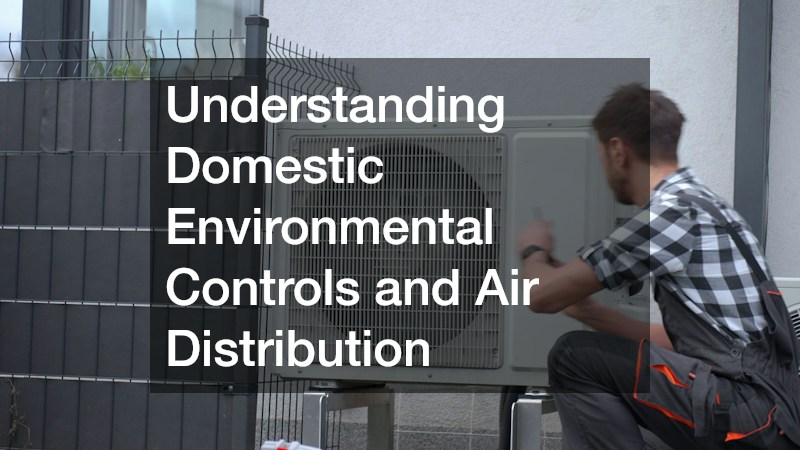
Understanding Domestic Environmental Controls and Air Distribution
Modern residential climate systems rely on tightly integrated mechanical components to control indoor temperature, manage humidity levels, and circulate fresh air throughout living zones. The central heating and cooling apparatus acts as the primary engine for indoor comfort, using fans, coils, compressors, and burners to adjust ambient conditions based on thermostat inputs. Maintaining a basic understanding of how air circulates through these mechanical networks empowers homeowners to spot early signs of system strain and airflow restriction.
Investing in a high-efficiency HVAC setup establishes an energy-conscious foundation for year-round indoor environmental management. Central forced-air configurations utilize balanced supply and return ducts to distribute conditioned air evenly across multiple rooms. When filter media remain clean and air grilles stay unobstructed, static pressure inside ductwork remains optimal, reducing electrical consumption and minimizing mechanical wear on blower motors.
Consistent monitoring of system airflow and temperature differentials helps identify minor operational inefficiencies before they disrupt indoor comfort. Keeping outdoor condenser coils clear of lawn debris, autumn leaves, and overgrown vegetation ensures proper heat exchange during cooling cycles. Establishing clean, unrestricted airflow pathing throughout the home preserves mechanical performance and maintains balanced room temperatures.
Establishing Comprehensive System Inspections and Preventative Upkeep
Residential climate control machinery operates under continuous thermal stress and mechanical motion, causing electrical contacts, fan belts, and moving parts to wear gradually over time. Neglecting routine system evaluations allows minor component degradation to snowball into severe mechanical failures that degrade indoor air quality and increase monthly utility costs. Establishing a structured preventative maintenance schedule protects mechanical hardware from premature failure.
Scheduling routine tune-ups through certified HVAC services guarantees that electrical connections are tightened, motor bearings are lubricated, and system operating pressures are accurately calibrated. Professional technicians utilize specialized diagnostic tools to measure amperage draw, evaluate heat exchanger integrity, and verify that safety controls function correctly. Comprehensive evaluations catch subtle mechanical flaws early, preventing sudden operational failures during extreme weather.
Systematic preventative care significantly extends the operational lifespan of major climate control equipment. Regular tune-ups preserve manufacturer warranty protections and keep systems operating at peak energy efficiency ratings. Routine mechanical oversight provides peace of mind, knowing that essential heating and cooling systems will perform reliably when seasonal temperatures shift.

Optimizing Seasonal Cooling Performance and Airflow Dynamics
During warm summer months, residential cooling units work continuously to extract heat and excess humidity from indoor living areas. Maintaining cooling efficiency requires unobstructed refrigerant flow, clean evaporator coils, and efficient heat dissipation through outdoor condenser units. When cooling components become coated in dirt or dust, heat transfer efficiency drops rapidly, forcing compressors to run longer, hotter cycles to maintain thermostat setpoints.
Booking annual tune-ups for central air conditioning services ensures that system refrigerant levels are accurately balanced and cooling coils are thoroughly sanitized. Professional technicians inspect condensate drain lines to prevent clogs that cause water damage, clean outdoor fin arrays, and evaluate fan blade balance. Proper cooling maintenance keeps systems operating quietly and efficiently throughout extended summer heatwaves.
Maintaining efficient cooling performance lowers summer electric bills and protects sensitive electronic components from thermal overload. Homeowners can support cooling system efficiency by keeping window blinds drawn during peak sun hours and ensuring interior supply registers remain open. Proactive summer maintenance preserves cooling capacity and maintains crisp indoor air comfort.
Diagnosing Rapid Cooling Failures and Component Troubleshooting
Unexpected cooling failures during high-temperature conditions cause immediate discomfort and risk thermal stress for household occupants. Early warning signs—such as weak airflow from registers, unusual grinding sounds, ice accumulation along copper refrigerant lines, or short-cycling—indicate that cooling equipment requires immediate diagnostic attention. Continuing to run a malfunctioning cooling system risks permanent damage to central compressors and fan motors.
Seeking prompt, professional ac repair when operational irregularities appear prevents localized mechanical issues from escalating into complete system failures. Certified technicians utilize digital manifold gauges and leak detectors to identify refrigerant leaks, test run capacitors, and repair faulty compressor relays. Addressing cooling glitches immediately restores temperature control and prevents expensive equipment replacements.
Rapid diagnostic interventions protect high-value cooling components from severe thermal damage. Homeowners should immediately turn off malfunctioning units at the thermostat to prevent compressor burnout while awaiting technical assistance. Timely repair work restores cooling efficiency and ensures safe system operation.
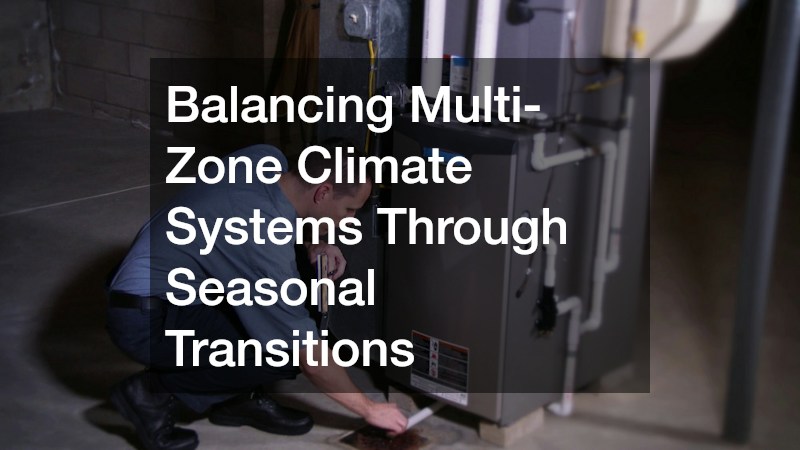
Balancing Multi-Zone Climate Systems Through Seasonal Transitions
Maintaining consistent indoor comfort across changing seasons requires integrated climate control solutions capable of transitioning smoothly between heating and cooling modes. Dual-function climate systems, such as heat pumps or paired furnace and air conditioner configurations, demand comprehensive care to handle rapid temperature swings during spring and autumn transitions. Balanced thermal distribution prevents hot and cold spots across multi-story layouts.
Utilizing comprehensive heating and air conditioning services ensures that both heating elements and cooling circuits are fully prepped prior to peak seasonal demands. Technicians inspect gas burner assemblies, check ignition controls, verify heat exchanger safety, and test reversing valves in heat pump setups. Comprehensive bi-annual servicing guarantees seamless transitions between seasonal operating modes.
Balanced climate maintenance maintains consistent indoor temperatures regardless of external weather volatility. Properly calibrated thermostats and functional zone dampers ensure air is delivered efficiently to high-use areas. Regular multi-zone servicing maximizes indoor comfort while keeping annual energy consumption under control.
Enhancing Indoor Air Quality Through Ventilation Sanitation
The internal network of supply and return ductwork serves as the respiratory tract of a forced-air climate system, circulating thousands of cubic feet of air daily. Over time, dust, pet dander, pollen, mold spores, and construction debris accumulate along interior duct walls, reducing airflow and redistributing airborne contaminants across living spaces. Clogged ductwork forces blower motors to work harder to push air through restricted passages.
Hiring a certified duct cleaning company eliminates accumulated debris using commercial-grade negative air vacuum systems and rotary brush equipment. Professional cleaning removes hidden allergen reservoirs, sanitizes internal duct surfaces, and improves static pressure dynamics throughout the ventilation network. Removing dust buildup from duct walls prevents air contamination and improves overall HVAC operating efficiency.
Investing in deep ventilation cleaning noticeably reduces household dust accumulation and minimizes respiratory irritants for sensitive residents. Clean duct interiors allow climate systems to move air effortlessly, optimizing temperature delivery to every room. Periodic ductwork sanitation creates a cleaner, healthier indoor environment.

Evaluating Local Ventilation Cleaning Specialists
Selecting qualified service providers to maintain residential ventilation systems requires verifying industry certifications, equipment capabilities, and operational standards. Low-quality cleaning methods can dislodge packed debris without capturing it, driving dust directly into living spaces and damaging sensitive furnace components. Homeowners should select service partners who follow strict national air duct cleaning guidelines.
Comparing reputable local air duct cleaning companies helps homeowners identify technicians who utilize containment procedures, high-efficiency particulate air (HEPA) filtration vacuums, and transparent inspection methods. Qualified specialists conduct video inspections before and after cleaning to demonstrate thorough debris removal and confirm that internal dampers and fire doors remain functional.
Partnering with accredited air quality professionals ensures that duct sanitization is conducted safely without compromising structural duct seams or flexible duct liners. Professional ventilation hygiene optimizes system airflow, supports motor efficiency, and improves overall indoor environmental safety.
Troubleshooting Hot Water Distribution Interruptions
A continuous supply of hot water is essential for daily sanitation, cooking, and laundry routines. Traditional tank-style water heaters rely on electric heating elements or gas burners to maintain elevated water temperatures around the clock. Over time, sediment buildup along the tank bottom insulates the water from the heat source, causing noisy operation, slow recovery times, and accelerated tank corrosion.
Arranging timely water heater repair at the first sign of popping noises, lukewarm water delivery, or minor fitting leaks prevents catastrophic tank ruptures and sudden home flooding. Certified plumbers can flush internal tank sediment, replace degraded sacrificial anode rods, swap out failed heating elements, and recalibrate faulty thermostats to restore reliable hot water production.
Maintaining water heating hardware extends tank operational life and prevents unexpected structural water damage. Replacing worn temperature and pressure relief valves guarantees safe pressure containment during heating cycles. Routine maintenance preserves water heating efficiency and ensures consistent domestic hot water delivery.
Upgrading to On-Demand Water Heating Technology
Traditional tank water heaters continuously consume energy to maintain standby water temperatures, regardless of actual household demand. Modern on-demand water heating systems offer a highly efficient alternative by heating water instantly as it flows through compact heat exchangers, eliminating standby thermal losses and delivering an endless supply of hot water.
Installing a high-efficiency tankless water heater frees up valuable floor space while dramatically reducing household gas or electricity consumption. These compact units utilize advanced flow sensors and modulating burners to heat water only when a tap is opened, providing consistent water temperatures while lowering monthly utility bills.
Transitioning to on-demand hot water technology requires proper gas line sizing, dedicated venting, and adequate electrical service capacity. Professional installation ensures optimal flow rates and prevents temperature fluctuations during multi-fixture use. Upgrading to modern water heating tech enhances household efficiency and long-term utility value.
Protecting Plumbing Networks from Hard Water Damage
Dissolved minerals—primarily calcium and magnesium—create hard water conditions that leave unsightly white scale deposits on faucets, showerheads, and glass surfaces. More critically, mineral scaling accumulates inside water lines, heat exchangers, and household appliances, restricting water flow and causing premature heating element failure in dishwashers, washing machines, and water heaters.
Scheduling regular water softener service ensures that ion-exchange resin beds remain clean, salt brine tanks are properly filled, and automatic regeneration control valves function correctly. Professional servicing tests water hardness levels at input and output taps, adjusts control settings based on water consumption patterns, and clears salt bridges inside brine tanks to preserve softening effectiveness.
Conditioning household water protects entire plumbing networks from destructive mineral buildup, extending the operating life of water-using appliances. Softened water improves soap efficiency, reduces skin irritation, and keeps plumbing fixtures free from scale accumulation. Consistent water conditioning maintenance safeguards domestic water infrastructure for the long term.
Implementing a consistent maintenance schedule transforms property care from a reactive stressor into a manageable, routine aspect of homeownership. When you systematically monitor filtration media, clear physical obstructions, test safety valves, and address minor operational anomalies early, you actively prevent the compound mechanical wear that leads to expensive, middle-of-the-night equipment failures.
Ultimately, protecting your property’s primary utilities comes down to striking a practical balance between daily homeowner vigilance and certified professional expertise. While simple tasks like swapping air filters and monitoring brine tanks are easily managed on weekends, partnering with accredited service technicians for comprehensive annual tune-ups ensures your mechanical systems remain fully compliant with current building codes and manufacturer warranties. Taking consistent, proactive ownership of your home’s hidden infrastructure safeguards your financial investment, improves overall environmental safety, and delivers year-round peace of mind for your entire household.