
- Commercial construction involves building, renovating, or upgrading structures intended for business, institutional, or income-generating purposes.
- It differs from residential construction in scale, regulatory requirements, complexity, and financing structure.
- Major types of commercial projects include office buildings, retail centers, healthcare facilities, industrial warehouses, hospitality venues, educational institutions, and mixed-use developments.
- Every commercial construction project follows key phases: planning, design, permitting, construction, and final inspection.
- Costs are influenced by location, materials, labor, regulatory compliance, and specialized building systems.
- Skilled contractors and strong project management are essential to keep projects on schedule, within budget, and compliant with safety standards.
- Emerging trends such as sustainable building practices, smart technologies, and modular construction are shaping the future of commercial construction.
Commercial buildings shape the way businesses operate, communities interact, and economies grow. From office towers and retail centers to hospitals and warehouses, commercial construction plays a vital role in creating functional spaces for commerce and public services. Yet many business owners and investors are unsure what commercial construction truly involves or how it differs from other types of building projects.
This comprehensive guide explains what commercial construction is, how it works, and the major types of commercial projects you should understand. Whether you are a property developer, entrepreneur, or simply researching the industry, this article provides clear, structured insights into the processes, costs, and project categories that define commercial construction today.
What Is Commercial Construction?
Commercial construction refers to the planning, design, renovation, and building of structures intended for business, institutional, or income-generating purposes. Unlike residential construction, which focuses on single-family homes or apartments, commercial construction serves public, corporate, industrial, and retail needs. These projects typically involve larger budgets, more complex regulations, and specialized design requirements.
The scope of commercial construction varies widely. It may include constructing a small retail storefront, developing a multi-story office building, or building a healthcare facility equipped with advanced mechanical systems. Because these buildings serve employees, customers, and the general public, safety standards and building codes are often stricter than those applied to residential properties.
Commercial construction also involves multiple stakeholders. Owners, architects, engineers, contractors, subcontractors, and inspectors collaborate throughout the process. Effective coordination and project management are critical to ensure timelines, budgets, and compliance requirements are met successfully.
How Is Commercial Construction Different from Residential Construction?
Although both residential and commercial projects involve planning, design, and construction, the scale and complexity differ significantly. Commercial construction projects typically require more advanced materials, engineering systems, and regulatory approvals. They are designed to support high occupancy loads, commercial-grade utilities, and long-term operational efficiency.
One major difference lies in building codes and compliance standards. Commercial buildings must adhere to strict fire safety rules, accessibility standards, and structural regulations. These requirements often increase design complexity and cost, but they also ensure safety for large numbers of occupants.
Another distinction is financing and investment structure. Commercial construction projects often involve investors, developers, or corporate entities rather than individual homeowners. Contracts, bidding processes, and insurance coverage are typically more formalized and detailed in commercial projects.
What Are the Main Phases of a Commercial Construction Project?
Every commercial construction project follows a structured process to move from concept to completion. While timelines and details vary, most projects include several core phases that ensure efficiency and compliance. Understanding these stages helps business owners anticipate costs, scheduling requirements, and decision-making responsibilities.
The first phase is planning and development. During this stage, feasibility studies, budgeting, and site evaluations take place. Developers assess zoning laws, environmental considerations, and financial projections before committing to construction.
Next comes design and pre-construction. Architects and engineers develop detailed drawings, select materials, and secure permits. After approvals are obtained, the construction phase begins, involving site preparation, foundation work, structural framing, mechanical installations, and finishing touches. Finally, inspection and project closeout ensure the building meets all safety and regulatory standards before occupancy.
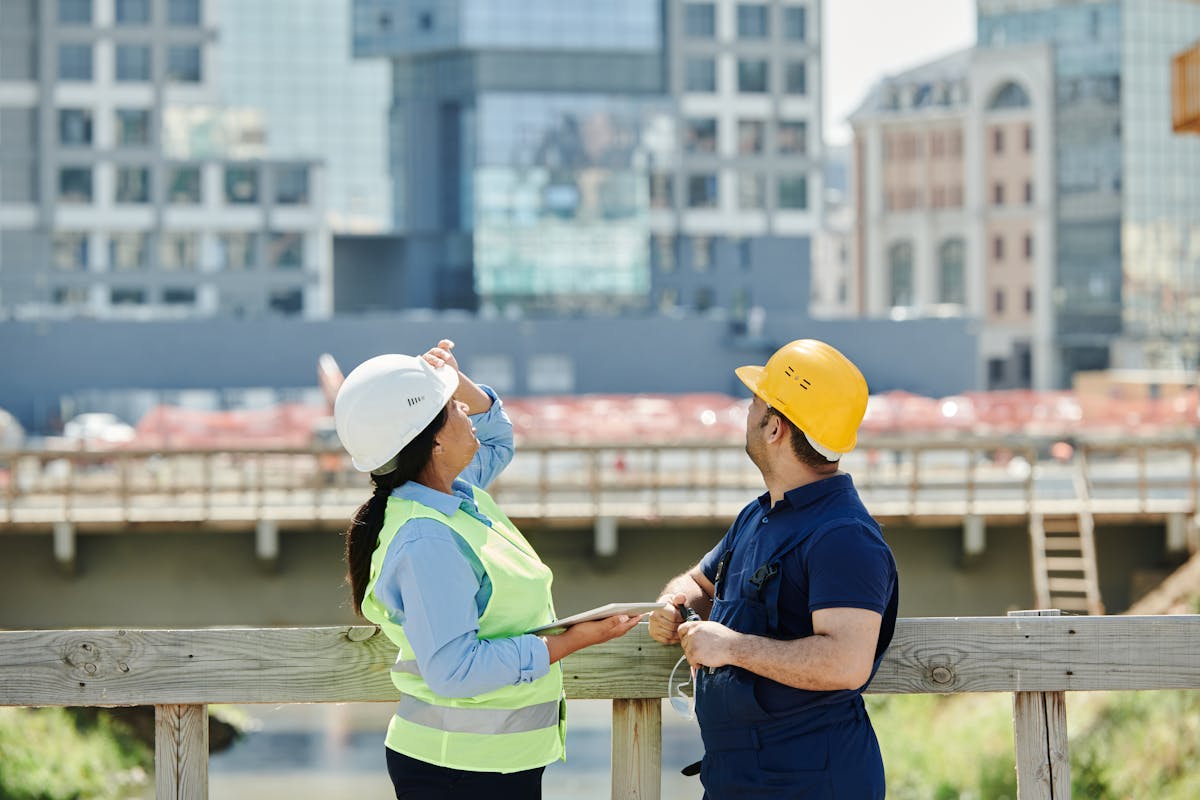
Office Buildings and Corporate Facilities
Office buildings represent one of the most common types of commercial construction projects. These facilities are designed to accommodate administrative operations, collaborative workspaces, and client interactions. The design must balance aesthetics, efficiency, and employee comfort.
Modern office construction often includes features such as:
- Open floor plans and flexible layouts
- Energy-efficient lighting and HVAC systems
- Advanced security and access control
- Technology-ready infrastructure
Corporate facilities may range from small business offices to multi-story headquarters. Developers must consider parking, accessibility, and future expansion needs during the planning phase. Sustainability and smart-building technologies are also increasingly integrated into new office construction.
Retail and Shopping Centers
Retail construction focuses on creating attractive, customer-friendly environments that drive foot traffic and sales. These projects include standalone stores, shopping malls, supermarkets, and mixed-use retail complexes. Location, visibility, and accessibility are critical considerations in retail development.
Retail buildings must support heavy daily usage. Durable flooring, wide entrances, and efficient lighting systems are essential components. Additionally, tenant-specific build-outs are common in shopping centers, requiring customized layouts for different businesses.
Key elements of retail commercial construction include:
- Storefront design and branding integration
- Adequate parking and pedestrian flow
- Fire safety and emergency exits
- Climate control for merchandise protection
Because retail trends change rapidly, developers often prioritize adaptable layouts that can be modified as tenant needs evolve.
Healthcare and Medical Facilities
Healthcare construction is among the most complex categories of commercial projects. Hospitals, clinics, surgical centers, and diagnostic labs require strict compliance with health regulations and building codes. These facilities must support advanced medical equipment and specialized ventilation systems.
Designing healthcare spaces demands careful planning. Patient safety, infection control, and efficient staff movement are top priorities. Materials used in medical construction often need to be antimicrobial and easy to sanitize.
Common features of healthcare commercial construction include:
- Emergency power systems
- Specialized plumbing and gas lines
- Controlled air filtration systems
- Accessibility compliance
Because of regulatory scrutiny, healthcare projects typically require extensive documentation and inspections before approval for operation.
Industrial and Warehouse Construction
Industrial commercial construction involves building manufacturing plants, warehouses, and distribution centers. These facilities prioritize functionality, structural durability, and logistical efficiency. Large open floor plans are common to accommodate machinery, storage racks, and transportation equipment.
Industrial projects often require reinforced concrete floors and high ceilings. Loading docks, freight elevators, and heavy-duty electrical systems are standard components. Safety regulations for industrial buildings also focus on fire prevention and worker protection.
Warehouses and logistics centers have grown significantly due to e-commerce expansion. Developers must consider transportation access, supply chain efficiency, and automation technology when planning industrial construction projects.
Hospitality and Entertainment Projects
Hotels, resorts, restaurants, theaters, and entertainment venues fall under hospitality construction. These projects combine functional infrastructure with aesthetic appeal to create welcoming experiences for guests. Comfort, branding, and operational efficiency must align seamlessly.
Hospitality construction involves diverse design considerations. Guest rooms require plumbing, HVAC systems, and fire safety features, while public areas must support high occupancy. Restaurants may need commercial-grade kitchens and ventilation systems.
Important components include:
- Acoustic design for comfort
- High-quality interior finishes
- ADA compliance
- Emergency safety systems
Because customer satisfaction directly affects profitability, hospitality projects emphasize both durability and visual impact.
Educational and Institutional Buildings
Educational institutions such as schools, colleges, and training centers are significant contributors to commercial construction activity. These projects must support large groups of students while ensuring safety and accessibility. Classrooms, laboratories, auditoriums, and sports facilities all require specialized design.
Institutional construction often involves public funding and government oversight. As a result, strict budgeting and regulatory compliance are essential. Energy efficiency and sustainability are increasingly prioritized in educational building projects.
Key considerations include:
- Fire-resistant materials
- Security systems
- Accessible entrances and facilities
- Flexible learning environments
Educational construction aims to create safe, adaptable spaces that support long-term community development.
Mixed-Use Developments
Mixed-use commercial construction integrates multiple property types into one development. These projects may combine residential units, retail stores, offices, and entertainment facilities within a single complex. Mixed-use developments maximize land utilization and encourage community engagement.
Developers must carefully coordinate infrastructure systems across different building types. Parking structures, utilities, and shared amenities require integrated planning. Zoning regulations can also influence project design and feasibility.
Mixed-use projects are popular in urban areas where space is limited. They promote walkability and reduce transportation needs, aligning with modern sustainability goals.
Renovation and Tenant Improvement Projects
Not all commercial construction involves building from the ground up. Renovation and tenant improvement projects focus on upgrading or modifying existing structures. These projects allow businesses to modernize facilities without investing in entirely new buildings.
Tenant improvements are common in office and retail spaces. A landlord may provide a base structure, while tenants customize the interior to suit their operations. Renovations can include updating electrical systems, reconfiguring layouts, or enhancing aesthetics.
Benefits of renovation projects include:
- Lower costs compared to new construction
- Faster completion timelines
- Improved building performance
- Enhanced property value
Renovation projects still require permits and code compliance, particularly if structural changes are involved.
What Factors Influence Commercial Construction Costs?
Commercial construction costs vary widely depending on project type, size, location, and materials. Understanding cost drivers helps investors and business owners plan more effectively. While initial budgets may seem straightforward, unexpected expenses can arise without proper planning.
Key cost factors include:
- Land acquisition and site preparation
- Labor and material expenses
- Permits and regulatory fees
- Architectural and engineering services
- Technology and sustainability features
Urban projects often cost more due to higher labor rates and land prices. Additionally, complex facilities such as hospitals or industrial plants require specialized systems that significantly increase total investment.
Careful cost estimation, contingency budgeting, and professional project management are essential to prevent overruns and delays.
The Role of Contractors and Project Management
Commercial construction projects rely heavily on skilled contractors and experienced project managers. General contractors oversee daily operations, coordinate subcontractors, and ensure compliance with design plans. Their expertise helps maintain safety standards and quality control.
Project managers handle budgeting, scheduling, and communication among stakeholders. They serve as the primary point of contact for owners, architects, and contractors. Effective project management minimizes risks and improves overall efficiency.
Key responsibilities typically include:
- Monitoring construction progress
- Managing procurement and materials
- Addressing safety concerns
- Resolving conflicts and change orders
Strong leadership and collaboration are essential for delivering commercial construction projects on time and within budget.
Emerging Trends in Commercial Construction
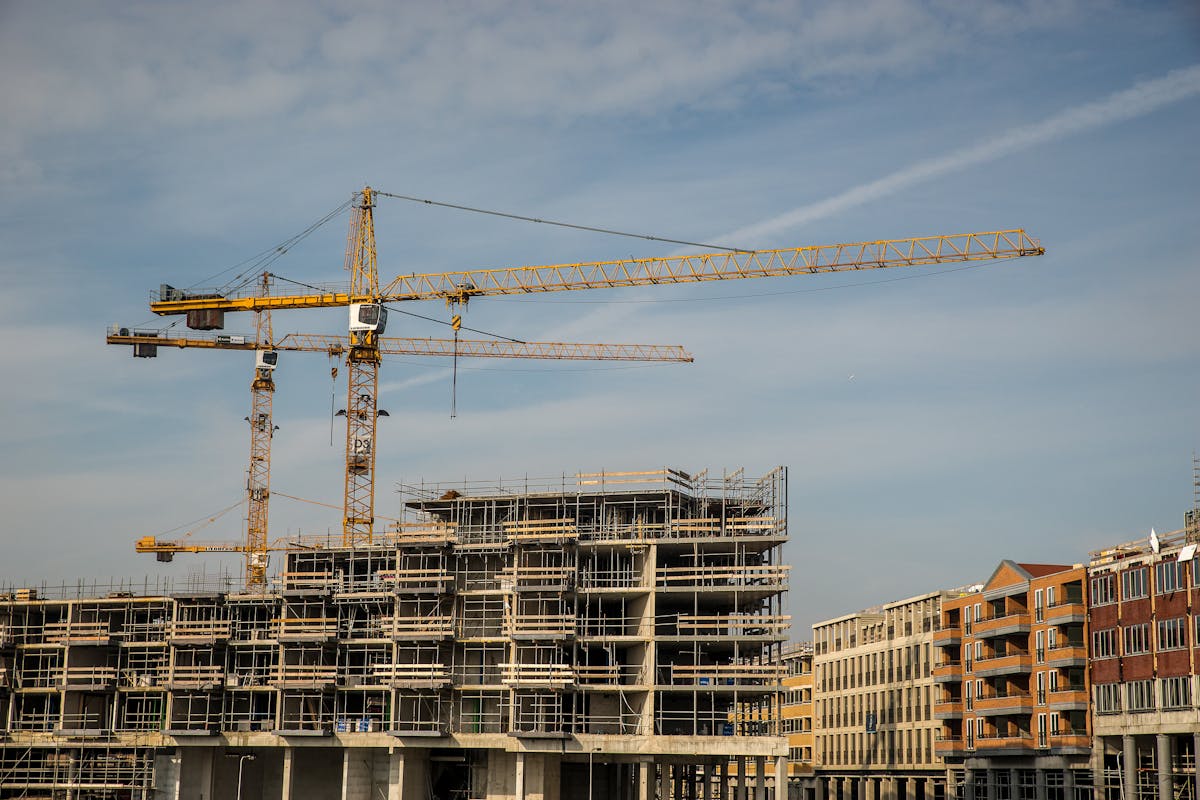
The commercial construction industry continues to evolve as technology and sustainability reshape building practices. Developers increasingly prioritize energy efficiency, environmental responsibility, and smart-building systems. These innovations improve long-term operational performance.
Sustainable construction techniques include using recycled materials, installing energy-efficient HVAC systems, and incorporating renewable energy sources. Smart technologies allow real-time monitoring of lighting, security, and climate control systems.
Modular construction is also gaining traction. Prefabricated components can reduce labor costs and shorten project timelines. As demand for efficient and eco-friendly buildings grows, commercial construction practices will continue to adapt.
Conclusion
Commercial construction encompasses a wide range of projects designed for business, institutional, and public use. From office buildings and retail centers to hospitals and warehouses, each type of project requires careful planning, regulatory compliance, and specialized expertise. Understanding the differences between project categories helps stakeholders make informed decisions.
Whether constructing a new facility or renovating an existing space, commercial construction demands strategic budgeting, skilled project management, and attention to long-term functionality. As technology and sustainability continue to influence the industry, commercial buildings will become more efficient, adaptable, and environmentally responsible.
By understanding what commercial construction is and the types of commercial projects involved, business owners and developers can confidently navigate this complex yet rewarding field.