Understanding how professional ant extermination works is essential for anyone dealing with ant infestations. This article explores the common methods and techniques used by exterminators to effectively manage and eliminate ants. Ants can be a nuisance in any household, disrupting daily life and causing damage to both property and health. The intricate process of ant extermination requires experts who are not only skilled but also equipped with the necessary tools to tackle infestations. Here, we delve into the various aspects of ant extermination, from locating nests to selecting the right chemicals and ensuring long-term prevention.
What techniques do ant exterminators use to locate ant nests?
Ant exterminators are adept at identifying the tell-tale signs of ant activity to locate nests. They often start by observing the ants’ trails, as worker ants create distinct paths between food sources and their nest. Exterminators may use a combination of visual observation and pheromone traps to track these trails back to the source. Additionally, professionals look for common nest sites, such as within walls, behind appliances, and in moist areas where ants often thrive. Using their extensive knowledge, exterminators can pinpoint the exact location of nests, facilitating more precise treatment methods.
Once the nest is located, exterminators assess its size and structure to determine the best approach for elimination. They may use tools such as infrared thermometers to detect heat signatures emitted by large nests, allowing them to locate hidden colonies that might otherwise be missed. The use of a boroscope, a small camera device, helps an exterminator navigate hard-to-reach areas and gather detailed visuals of the nest. This comprehensive examination ensures that all possible hiding spots are identified and examined. Each step in this process is crucial in devising a successful extermination strategy.
Beyond locating nests, exterminators also gather information on the ant species present in the infestation. Different ant species exhibit unique behaviors and require specific extermination techniques, making identification a critical step. By understanding the characteristics of a particular ant species, exterminators can tailor their approach for maximum effectiveness. This specialization aids in preventing future infestations by targeting the underlying issues that originally attracted the ants. Such meticulous attention to detail is what sets professional services apart from DIY solutions.
Which chemicals are most commonly used by ant exterminators?
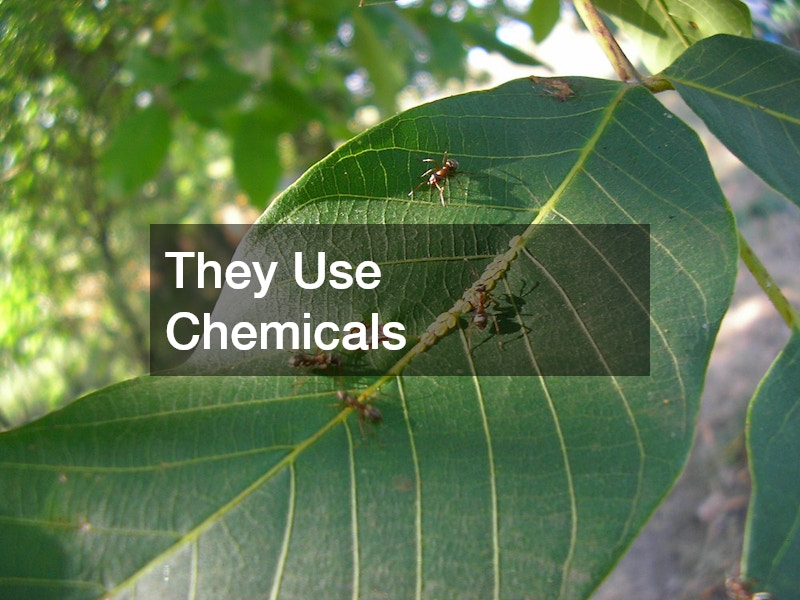
Professional exterminators rely on a range of chemical treatments to effectively eliminate ant infestations. Among these, insecticidal baits are a popular choice, designed to attract ants and allow them to carry poisoned food back to the nest. This method ensures that the entire colony, including the queen, is eradicated. Baits typically contain ingredients like borax or fipronil, which are lethal to ants but pose minimal risks to humans and pets when used correctly. They are strategically placed along ant trails to ensure maximum ingestion and distribution.
In addition to baits, liquid insecticides are frequently used to treat larger areas or outdoor infestations. These chemicals can be applied as sprays, directly targeting ant nests or offering a residual barrier that ants cannot cross without being eliminated. Common chemical ingredients in these treatments include permethrin and bifenthrin, known for their effectiveness in killing ants on contact. Exterminators carefully select and apply these substances to minimize environmental impact while ensuring thorough extermination. Each application follows strict safety protocols to protect both the environment and the people inhabiting it.
For indoor infestations, non-repellent insecticides are often recommended as they allow ants to come into contact with the treated surface without detecting the presence of the chemical. This subtle approach means ants continue to move through the treated area, spreading the insecticide through grooming and social interactions. Over time, this results in the collapse of the colony. Active ingredients like indoxacarb or imidacloprid are commonly found in these non-repellent solutions. Professional exterminators utilize these chemicals in precise dosages, ensuring both effectiveness and safety for inhabitants.
How do exterminators prevent future ant infestations?
Preventing future ant infestations is as crucial as eliminating the current problem, and professional exterminators emphasize long-term solutions. First, they conduct a thorough inspection of the property to identify potential entry points and food sources attracting ants. By sealing cracks, crevices, and other access points, exterminators can substantially reduce the likelihood of re-infestation. Regular maintenance and monitoring of these vulnerabilities are recommended to ensure continued success in ant control. Removing specific attraction factors, like food debris and moisture, is equally important in the prevention strategy.
Moreover, exterminators often implement Integrated Pest Management (IPM) practices that combine multiple strategies to tackle re-invasion. This approach may include habitat modification, biological control, and regular monitoring, with minimal reliance on chemical treatments. The focus is on creating an inhospitable environment for ants, thus deterring them from re-entering the premises. IPM promotes sustainable pest control by maintaining balance in the ecosystem while safeguarding structural integrity against infestations. This holistic plan ensures that preventive measures are both effective and environmentally conscious.
Finally, educating clients about proper sanitation and storage practices forms a critical part of a robust prevention strategy. Exterminators advise on how to store food properly, eliminate moisture sources, and maintain cleanliness to reduce the appeal of the environment to ants. Homeowners are encouraged to continue monitoring and implementing recommended practices for sustained protection. By working in partnership with clients, exterminators provide comprehensive resources to prevent future ant problems. This proactive approach empowers property owners to maintain pest-free residences independently.
What factors determine the cost of hiring an ant exterminator?
The cost of hiring an ant exterminator can vary significantly based on several factors. Among these, the size of the infestation plays a critical role, as larger ant colonies typically require more resources and time for complete extermination. Exterminators must assess the scope of the problem before deciding on the appropriate treatment plan, which can impact pricing. Additionally, the specific ant species present may also dictate specialized treatments, affecting overall costs. Simple infestations with common ants might be listed at a lower price compared to invasive species requiring customized solutions.
Another essential factor influencing cost is the size and complexity of the property being treated. Larger spaces with multiple access points can introduce additional challenges in ensuring that all areas are adequately addressed. Properties with hard-to-reach areas or unique architectural features may require more intensive measures, leading to higher fees. The need for ongoing treatments, such as maintenance applications to prevent re-infestation, can also add to the total expenses. Clients should consider these continuous interventions when budgeting for pest control services.
Location also affects the pricing of extermination services, as regional variations in the prevalence of different ant species and environmental conditions can dictate different strategic approaches. Urban areas, for example, might demand higher fees due to increased competition and logistical costs. Similarly, emergency services or expedited treatments may incur premium rates. Clients seeking professional extermination services should obtain quotes and service outlines to understand what is included in the pricing. Transparent communication with exterminators helps budget for effective yet affordable pest management solutions.
Is it more effective to hire an exterminator or use DIY solutions?
When considering whether to hire an exterminator or use DIY solutions, effectiveness and long-term outcomes are significant considerations. Professional exterminators bring expertise, specialized equipment, and access to potent chemicals not available to the general public. These advantages allow them to address the root cause of infestations thoroughly, reducing the risk of resurgence. While DIY methods might offer temporary relief by handling visible ants, they often do not address hidden nests and colonies. As such, the infestation may reoccur, prolonging the problem and necessitating further efforts and expense.
With DIY approaches, the lack of professional-grade products can lead to inefficiencies in eliminating the ant population, as many over-the-counter options are weaker. There is also a risk of misapplication, influencing both the effectiveness and safety of the treatment process. Professional exterminators, by contrast, are well-versed in safe chemical usage, minimizing risks for inhabitants and pets. They tailor their strategies to each specific scenario, ensuring thorough and considerate treatment for lasting results. For those inexperienced in pest control, DIY methods could potentially increase the impact of incorrect procedures.
Additionally, hiring professional exterminators offers peace of mind and reduces the time spent dealing with ant problems. Individuals busy with work and household responsibilities may find that it is more efficient to engage professionals who can swiftly and effectively manage the task. This not only provides respite from the ant issue but also ensures comprehensive resolution through advanced treatment methods. Given the expertise and efficiency offered by professional services, many opt for exterminators as a reliable solution to persistent ant infestations. This choice reinforces the assurance of a pest-free environment.
In conclusion, while DIY methods might offer temporary relief, professional exterminators provide comprehensive and sustainable solutions to ant problems. This ensures a more effective long-term resolution to infestations. Through a combination of expert knowledge, specialized treatments, and preventive strategies, exterminators can manage even the most challenging ant issues. By understanding the root causes, strategically locating nests, and applying effective chemicals, exterminators deliver reliable results. For those seeking efficient ant control, professional extermination is a sound investment towards safeguarding one’s home and peace of mind.