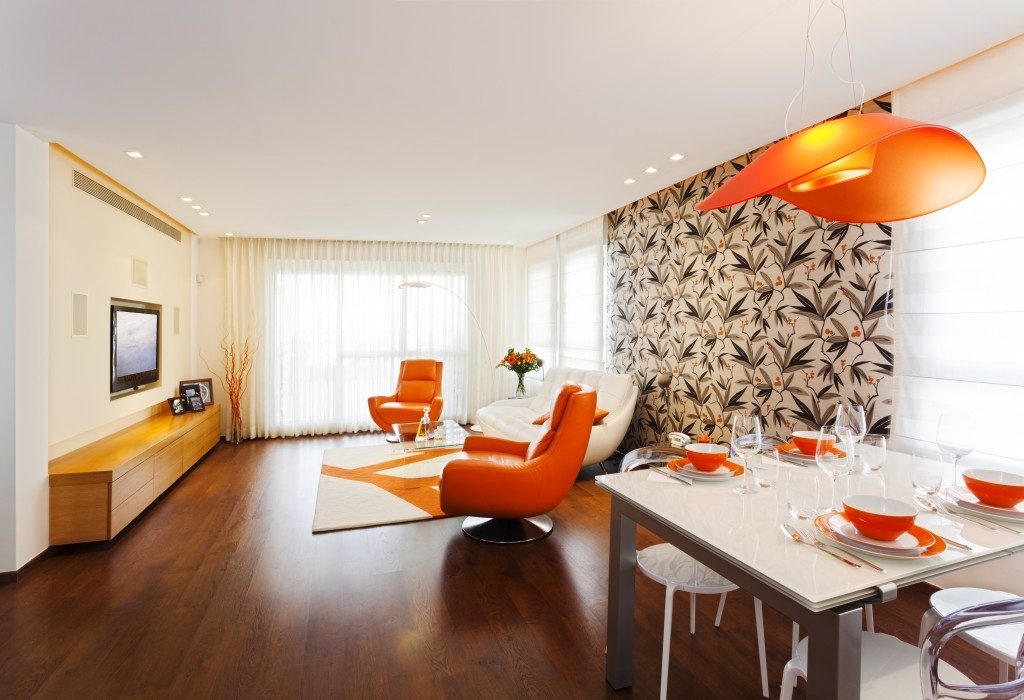
Office renovations are often necessary to modernize spaces, improve efficiency, and stay competitive—but they also introduce real risks for the people who continue to occupy the building during the process. Tenants are not construction professionals. They expect a safe, predictable environment, and when that expectation is disrupted, even minor oversights can lead to injuries, complaints, or long-term trust issues.
Imagine a typical weekday: employees arriving with coffee in hand, unaware that a hallway they used yesterday is now partially blocked, or that air quality has shifted due to demolition work nearby. These small changes compound quickly if not managed with care.
Prioritizing safety is not just about compliance—it’s about maintaining continuity, protecting your reputation, and ensuring that tenants feel respected throughout the disruption. When tenants feel unsafe, productivity drops, complaints increase, and lease renewals become less certain. On the other hand, when safety is handled well, many tenants will view the renovation as a positive investment rather than a burden.
There’s also a legal and financial dimension to consider. Workplace injuries, even minor ones, can lead to insurance claims, liability exposure, and costly delays. A single preventable incident can derail timelines and budgets that were otherwise carefully planned. Taking a proactive stance on safety helps avoid these downstream consequences.
The following sections walk through practical, real-world ways to keep people protected while work is underway.
Conduct Thorough Pre-Renovation Safety Assessments
Before the first wall is opened or the first tool is powered on, the most effective safety decisions happen on paper. A thoughtful assessment phase helps uncover risks that aren’t obvious at a glance.
Working with a structural engineering firm ensures you’re not making assumptions about the building’s capabilities. For example, removing a wall to “open up space” might seem harmless, but if it impacts load distribution, it can introduce long-term structural risk. Engineers also help identify hidden vulnerabilities like aging support beams or outdated materials.
At the same time, a local building contractor brings execution insight. They can walk the space and say, “This hallway will bottleneck during demolition,” or “This area will need temporary rerouting.” That real-world perspective is what turns a theoretical plan into a safe, workable one.
One effective approach is to simulate the renovation flow before work begins. Walk through the building as if construction is already happening. Where would tenants hesitate? Where might they accidentally enter a restricted area? These small observations often reveal the biggest risks.
A strong pre-renovation assessment often includes:
- Reviewing structural limitations and load capacities
- Mapping tenant traffic patterns during peak hours
- Identifying sensitive spaces like server rooms or medical offices
- Confirming all emergency exits remain accessible
The goal isn’t perfection—it’s awareness. The more you anticipate, the fewer surprises you’ll face once work begins.
Establish Clear Physical Boundaries Between Work and Occupied Spaces
One of the fastest ways to create confusion—and risk—is failing to clearly separate construction zones from tenant areas. People naturally follow familiar paths, and if those paths suddenly intersect with hazards, accidents become far more likely.
Instead of relying solely on tape or temporary signage, consider more durable solutions. For example, using barriers installed through a commercial glass service can maintain visibility while still providing a firm boundary. This is particularly useful in office environments where transparency reduces anxiety and keeps spaces feeling open.
Waste management is another often-overlooked factor. Poorly placed debris containers can turn safe walkways into obstacle courses. Coordinating with dumpster rental services ensures that disposal areas are positioned away from entrances, exits, and high-traffic zones.
It’s also helpful to think vertically, not just horizontally. Hazards aren’t limited to the ground—falling debris, exposed ceiling panels, or overhead work can create risks above eye level. Proper coverings and overhead protection systems help address this often-missed issue.
Clear boundaries should evolve as the project progresses. What starts as a small work zone can expand or shift, so barriers and signage need to be updated regularly. When tenants can clearly see where they should and should not go, they’re far less likely to make unsafe choices—even unintentionally.
Improve Indoor Air Quality During Construction Activities
Air quality issues are one of the most underestimated risks in occupied renovations. Unlike physical hazards, they’re often invisible—but they can affect every tenant simultaneously.
Frequent commercial air filter replacements are essential, but they’re only part of the solution. Renovation dust can travel farther than expected, especially through shared HVAC systems. Without proper containment, a single demolition zone can impact an entire floor.
Another overlooked issue is how construction disrupts dormant pest habitats. Opening walls or ceilings can displace insects or rodents, pushing them into tenant spaces. That’s why involving a local pest control company early—not reactively—is key. Preventative treatment is far more effective than dealing with an active infestation mid-project.
A useful rule of thumb: if tenants can smell or visibly notice construction effects, your air control strategy needs improvement. Practical steps include sealing vents near work zones, using negative air pressure systems, and scheduling high-dust work during low-occupancy hours.
Even small upgrades—like adding temporary air monitors—can provide reassurance and help you catch issues before they escalate. Clean air isn’t just a comfort issue; it’s a health and productivity factor that directly impacts tenant experience. In some cases, tenants may have sensitivities or health conditions that make air quality even more critical, so proactive management helps accommodate a wider range of needs.
Maintain Strong Fire Safety and Emergency Preparedness
Construction introduces new fire risks, from exposed wiring to temporary equipment setups. Materials that are safe when handled properly can become dangerous if left unattended or stored incorrectly.
Take fuel sources as an example. Items like propane must be stored in designated, well-ventilated areas far from tenant-accessible spaces. Even small oversights in storage can create serious hazards.
Security also plays a role in emergency preparedness. Armed security guards can help monitor restricted areas, ensuring that unauthorized individuals don’t enter zones where fire risks are elevated. Their presence also reinforces compliance with safety rules among workers and visitors alike.
Beyond equipment and personnel, communication is critical. Tenants should always know where emergency exits are, even if routes have changed, and understand what alarms or procedures to follow during construction.
Running occasional emergency drills—even informal ones—can also help tenants feel more prepared and confident navigating the temporary environment. Preparedness reduces panic, and that alone can prevent injuries during unexpected events.
Coordinate Renovation Schedules to Reduce Risk Exposure
Timing can be just as important as technique. When construction activities overlap with peak tenant hours, even routine tasks can become disruptive or unsafe.
For example, outdoor work like commercial paving is best scheduled during evenings or weekends when foot and vehicle traffic is minimal. This reduces the likelihood of accidents and allows crews to work more efficiently without constant interruptions.
Inside the building, coordination with a local building contractor helps sequence tasks in a way that limits exposure. Instead of tackling multiple high-impact projects at once, work can be phased so that tenants are only affected by one disruption at a time.
Another useful tactic is identifying “quiet zones” where tenants can temporarily relocate during particularly disruptive phases. This shows consideration and provides a practical alternative when normal operations are affected.
Flexibility is key. Even the best schedules need adjustment, so building in contingency time helps prevent rushed decisions that could compromise safety.
Keep Plumbing and Utility Systems Stable and Safe
Few things disrupt an office environment faster than unexpected utility issues. Water leaks, pressure changes, or temporary shutdowns can quickly escalate from inconvenience to hazard.
Bringing in a qualified plumber early in the process helps maintain system stability. Whether rerouting pipes or upgrading fixtures, having expert oversight reduces the risk of leaks that could create slippery surfaces or damage equipment.
In more complex scenarios, a structural engineering firm may need to evaluate how utility changes interact with the building’s framework. For instance, cutting into concrete slabs or rerouting lines through load-bearing areas requires careful planning.
Clear communication is essential here. Tenants should receive advance notice of water shutoffs or system changes, along with realistic timelines for restoration. Even small updates can make a big difference in how disruptions are perceived.
Secure the Property Against Unauthorized Access
Renovation sites naturally attract curiosity. Open doors, exposed materials, and visible activity can draw people into areas they shouldn’t enter—sometimes out of necessity, sometimes out of simple curiosity.
To manage this, physical security measures should be paired with human oversight. Armed security guards can monitor entry points, ensuring that only authorized personnel access restricted zones. Their presence also discourages after-hours trespassing.
Waste areas deserve equal attention. Containers provided by dumpster rental services can pose risks if left unsecured, especially if they contain sharp materials or heavy debris.
Lighting also plays a key role. Well-lit areas reduce the chance of accidental entry and make hazards more visible, particularly in early morning or evening hours. Temporary fencing, controlled access points, and clearly marked entry logs can further strengthen site control.
Maintain Safe Walkways and Accessible Entry Points
One of the most immediate ways tenants experience safety is through how easily they can move through the building. Even small obstacles—a loose cable, uneven surface, or poorly marked detour—can lead to injuries.
Exterior areas are just as important as interiors. Ongoing commercial paving projects should be carefully managed to ensure that parking lots, sidewalks, and drop-off zones remain usable. Temporary pathways should be clearly marked and free of hazards.
Entrances also require attention. If doors or panels are being repaired or replaced, working with a commercial glass service ensures that entry points remain secure and functional without compromising safety.
A helpful mindset is to view the space from a visitor’s perspective. If someone unfamiliar with the building can navigate it safely without hesitation, your setup is likely effective. Adding extra signage or floor markings can further guide movement and reduce confusion.
Communicate Clearly and Consistently With Tenants
Poor communication is one of the fastest ways to turn a manageable renovation into a frustrating experience. Even safe environments feel unsafe when people don’t know what’s happening.
Instead of treating communication as a one-time announcement, think of it as an ongoing system. For example, if a plumber needs to shut off water for a few hours, tenants shouldn’t find out when they turn on the faucet—they should know days in advance.
Similarly, if a local pest control company is scheduled to inspect or treat certain areas, tenants should understand what’s being done, why it’s necessary, and whether it affects them directly.
Consistency is key. Sending updates at the same time each week—even if there’s little change—builds trust and keeps tenants engaged rather than surprised. Overcommunication is almost always better than undercommunication in renovation environments. Clear points of contact also ensure tenants know exactly who to reach out to with concerns.
Perform Ongoing Safety Inspections and Adjust as Needed
Renovations are dynamic. Conditions change daily, and what was safe yesterday might not be safe tomorrow. That’s why ongoing inspections are essential.
Routine checks should focus on evolving risks. Air systems may require additional commercial air filter replacements as new construction phases introduce different particulates. Materials and equipment must also be monitored to ensure they remain properly stored and handled.
Hazardous items like propane require consistent oversight. Even if initially stored correctly, movement during construction can introduce new risks if not tracked carefully.
The most effective teams treat inspections as active problem-solving rather than passive observation. Quick adjustments and open communication between teams create a responsive safety environment. Keeping a simple log of findings can also help track recurring issues and improve future planning.
Reinforce a Culture of Safety Throughout the Project
At its core, keeping tenants safe during office renovations isn’t about any single strategy—it’s about creating a mindset that prioritizes awareness, communication, and accountability at every level.
When contractors, property managers, and tenants all understand their roles, safety becomes a shared responsibility rather than a checklist item. Small actions—like reporting a loose barrier or respecting restricted zones—add up to a significantly safer environment.
Leadership plays a subtle but powerful role here. When property managers and project leaders consistently prioritize safety in their decisions, that attitude filters down to everyone involved. Over time, safety becomes part of the project culture rather than an added requirement.
Renovations will always bring some level of disruption. But with thoughtful planning, consistent oversight, and a genuine commitment to tenant well-being, that disruption can be managed without compromising safety or trust.