A leaking roof is one of the most frustrating and expensive problems a property owner can face. What often starts as a small drip can quickly escalate into structural damage, mold growth, and costly repairs. The good news is that most leaks are preventable with the right approach to installation, maintenance, and inspection.
This guide breaks down exactly how leaks form and what you can do to stop them before they start. From choosing the right materials to maintaining proper drainage, you’ll learn practical, actionable strategies that protect your property year-round.
Understand How Water Actually Enters Your Home
Water intrusion is rarely as simple as a crack directly above a leak. In most cases, water travels along surfaces, seeps through small openings, and accumulates over time before becoming visible inside your home. This is why many homeowners are surprised to find damage in areas far from the original entry point. A properly built roofing system is designed with multiple layers to slow down and redirect moisture, but even small failures can allow water to bypass these defenses. Over time, exposure to wind-driven rain, temperature changes, and debris can weaken these protective barriers. Without proper protection and maintenance, even high-quality materials can fail. Understanding how water behaves is essential to preventing long-term damage and avoiding costly repairs.
Common Entry Points
Even well-built systems can develop vulnerabilities over time. The most common areas where water gets in include:
- Flashing around chimneys and vents
- Seams between materials
- Skylights and roof penetrations
- Valleys where two slopes meet
How Water Travels
Water intrusion is deceptive. You may notice a stain in one area, but the source could be several feet away. This is why surface-level fixes often fail-they don’t address the root cause.
Why Underlayers Matter
Modern systems rely on multiple layers beneath the surface to keep water out. These include underlayment, ice barriers, and sealants that work together to stop moisture before it reaches your interior. Many homeowners overlook these hidden components, but they are just as important as the visible materials. Investing in waterproofing services can help reinforce these layers and ensure long-term protection. Regular inspections can also identify early signs of deterioration before they become major problems.
Actionable Tips
- Inspect your attic regularly for damp insulation or discoloration
- Look for peeling paint or bubbling drywall inside your home
- Schedule periodic evaluations from professionals
- After heavy storms, check ceilings and corners for early signs of intrusion
Choose the Right Materials for Long-Term Protection
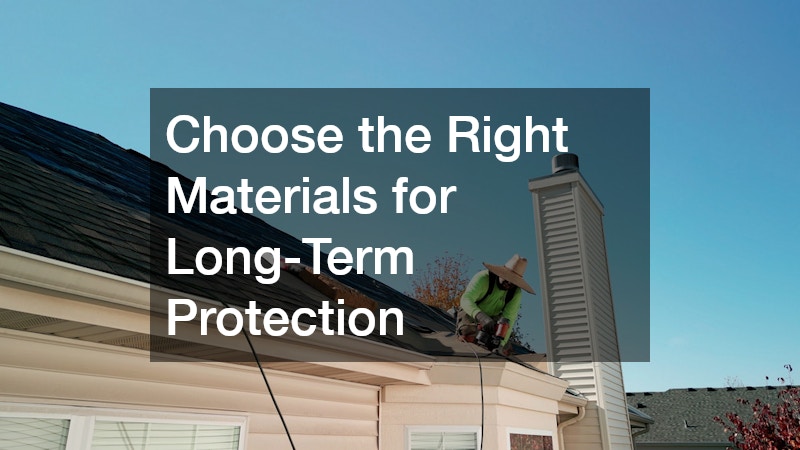
Selecting the right materials plays a major role in preventing leaks and extending the life of your roof. Different materials respond differently to weather conditions, temperature changes, and long-term wear. Some options are better suited for heavy rainfall, while others perform well in extreme heat or cold. The quality of installation is just as important as the material itself, which is why working with experienced roofing contractors is critical. A poorly installed system can fail prematurely, even if the materials are top-tier. Additionally, newer innovations in materials have made it easier to achieve both durability and energy efficiency. Taking the time to evaluate your options ensures that your investment provides long-term protection and peace of mind.
Comparing Material Options
Each type of system offers different levels of durability:
- Asphalt shingles: Affordable but prone to wear over time
- Tile: Durable but heavy, and requires strong structural support
- Metal: Highly resistant to water and weather damage
Why Installation Matters More Than Materials
Even the best materials can fail if installed incorrectly. Proper alignment, sealing, and fastening all play a role in preventing leaks and extending lifespan.
Benefits of Metal Systems
- Fewer seams compared to traditional materials
- Better resistance to extreme weather
- Longer lifespan with minimal maintenance
Experienced metal roofers understand how to manage expansion and contraction, which is essential for preventing gaps over time. They also use specialized tools and techniques to ensure proper sealing at every joint. Choosing professionals with this level of expertise can significantly reduce the risk of leaks developing in the future. When combined with high-quality materials, expert installation creates a system that performs reliably for decades.
Actionable Tips
- Ask about underlayment quality, not just surface materials
- Verify certifications and experience before hiring
- Request examples of past installations
- Choose materials suited to your local climate
Install Gutters That Actually Protect Your Roofline
A well-functioning drainage system is essential for preventing leaks and protecting your entire structure. Without proper water management, rain can accumulate on the surface, seep into vulnerable areas, and eventually cause interior damage. Gutters play a key role in directing water away from the roof and foundation, reducing the risk of pooling and erosion. However, simply having gutters is not enough-they must be properly sized, installed, and maintained to work effectively. Poorly installed systems can create more problems than they solve, leading to overflow and structural damage. Working with experienced roof contractors ensures that your gutter installation is done correctly from the start. When designed properly, a drainage system can significantly extend the life of your roof.
Why Gutters Matter
Gutters are designed to:
- Direct water away from the roof
- Prevent pooling at edges
- Protect siding and foundation
Key Installation Factors
Proper installation requires attention to:
- Slope for efficient water flow
- Size to handle heavy rainfall
- Placement for maximum effectiveness
Common Installation Mistakes
- Incorrect pitch leading to standing water
- Too few downspouts
- Loose fasteners that allow sagging
A properly installed system works seamlessly with your roof to guide water away from critical areas. Regular inspections can help identify issues like clogs or misalignment before they lead to damage. Ensuring that your gutters remain clean and secure is just as important as the initial installation. Over time, even small adjustments can make a big difference in preventing leaks and maintaining overall performance.
Actionable Tips
- Check for standing water after rainfall
- Ensure downspouts extend away from your foundation
- Clean gutters regularly to prevent clogs
- Install guards if your property has heavy debris
Replace Outdated Systems Before They Fail
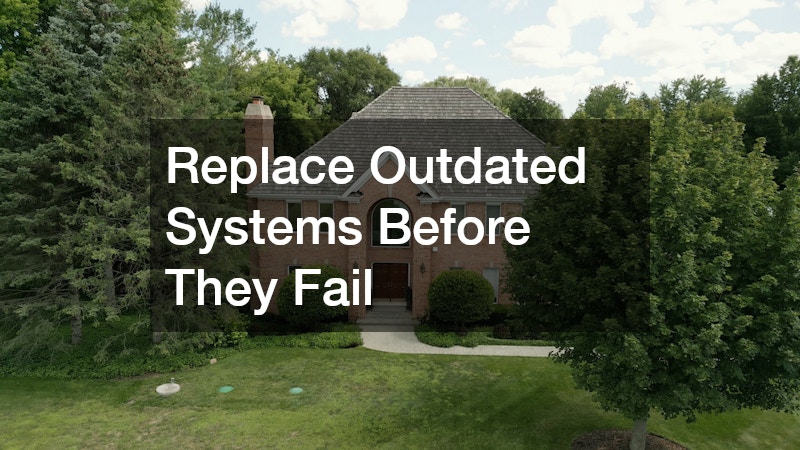
Older drainage systems are more likely to develop leaks due to wear and material degradation. Over time, exposure to moisture, debris, and temperature changes can weaken structural integrity. Wooden systems, in particular, are prone to rot, cracking, and separation at joints. These issues often go unnoticed until significant damage has already occurred. Upgrading to modern materials can improve durability and reduce maintenance requirements. Wooden gutter replacement is often necessary for older homes that still rely on outdated designs. Addressing these issues early can prevent costly repairs and protect your home from water damage.
Signs Your Gutters Are Failing
- Visible cracks or splits
- Peeling paint or rust
- Water spilling over the edges
- Sagging sections
Why Upgrading Matters
Modern materials offer significant advantages:
- Better durability
- Reduced maintenance
- Improved water flow
Replacing outdated components is an opportunity to improve overall performance and efficiency. During a new gutter installation, you can also correct design flaws that may have contributed to previous issues. This ensures that your system is not only updated but also optimized for your specific property. Taking a proactive approach to replacement helps avoid unexpected failures during heavy rainfall.
Actionable Tips
- Replace damaged sections immediately
- Consider seamless systems to reduce leak points
- Upgrade materials during your next project
- Inspect joints and connections annually
Stay Ahead of Small Issues with Routine Maintenance
Routine maintenance is one of the most effective ways to prevent leaks and extend the life of your roof. Small issues can develop gradually and often go unnoticed until they become major problems. Regular inspections allow you to catch these issues early and address them before they escalate. Roof repair is much more manageable and affordable when handled promptly. Neglecting maintenance can lead to structural damage, mold growth, and higher repair costs. By staying proactive, you can ensure that your system remains in good condition year-round. Consistent care is key to preventing unexpected failures.
Common Minor Issues
- Missing or damaged shingles
- Loose flashing
- Cracked sealant
- Debris buildup
Why Timing Matters
Delaying repairs can lead to more extensive damage and increased costs.
Actionable Tips
- Inspect your roof after storms
- Remove debris regularly
- Schedule annual maintenance checks
- Address leaky roof repair as soon as signs appear
Taking action early can prevent small problems from turning into major repairs. Even minor leaks can cause significant damage if left untreated. Establishing a routine maintenance schedule helps ensure that nothing is overlooked. Over time, this proactive approach saves both time and money while keeping your home protected.

Pay Special Attention to Large Roof Structures
Large roof structures require extra attention due to their size and exposure to the elements. These designs often have fewer support points and larger surface areas, which can lead to increased stress on materials. Barndominiums, for example, present unique challenges when it comes to preventing leaks. Their expansive layouts make proper sealing and drainage even more critical. Temperature fluctuations can also cause materials to expand and contract, creating gaps over time. Working with experienced metal roofers ensures that these challenges are addressed effectively. Proper planning and maintenance are essential for keeping large structures leak-free.
Unique Challenges
- Wide spans with fewer support points
- Large surface areas exposed to weather
- Increased risk of expansion and contraction
Why Expertise Matters
Specialized knowledge is required to manage these challenges effectively.
Actionable Tips
- Schedule inspections at least once a year
- Check for loose fasteners and seams
- Monitor for signs of movement or warping
- Ensure proper sealing at all joints
Maintaining large structures requires a proactive approach and attention to detail. Regular inspections help identify potential issues before they become serious problems. Investing in experienced professionals ensures that your system is built and maintained correctly. Over time, this reduces the likelihood of leaks and extends the lifespan of your roof.
Seal Vulnerable Areas Before Problems Start
Certain areas of your roof are more prone to leaks due to their design and exposure. These include joints, seams, and points where different materials meet. Without proper sealing, these areas can allow water to penetrate and cause damage over time. Investing in waterproofing services helps create a strong barrier against moisture. Combining this with regular roof repair ensures that your system remains in good condition. Preventative measures are always more effective than reactive fixes. By addressing vulnerable areas early, you can avoid costly repairs and extend the life of your roof.
High-Risk Areas
- Chimneys
- Skylights
- Roof valleys
- Vent pipes
Types of Sealants
- Liquid membranes
- Rubberized coatings
- Flashing tape
Actionable Tips
- Inspect seals annually for cracks
- Reapply sealant as needed
- Focus on high-risk areas first
- Combine sealing with regular maintenance
Taking the time to seal vulnerable areas can significantly reduce the risk of leaks. Regular inspections ensure that these protective measures remain effective over time. By staying proactive, you can maintain a strong defense against water intrusion. This approach helps protect both your roof and the interior of your home.

Work with Qualified Professionals for Long-Term Results
Choosing the right professionals is one of the most important decisions you can make when it comes to preventing leaks. Experienced roofing contractors bring the knowledge and skills needed to install and maintain your system properly. They understand the complexities of different materials and how to address potential problem areas. Working with qualified roof contractors ensures that every aspect of your project is handled with care. From initial inspection to final installation, their expertise plays a critical role in long-term performance. Investing in professional services provides peace of mind and reduces the likelihood of future issues.
What to Look For
- Proper licensing and insurance
- Proven track record
- Strong customer reviews
- Clear warranties
Questions to Ask
- What materials do you recommend and why?
- How do you handle potential leak points?
- What warranties are included?
Actionable Tips
- Get multiple quotes before deciding
- Avoid unusually low bids
- Request written contracts
- Verify credentials
Working with skilled professionals ensures that your system is built to last. Their attention to detail can prevent common installation mistakes that lead to leaks. Establishing a long-term relationship with a trusted contractor also makes ongoing maintenance easier. Over time, this partnership helps protect your investment and maintain the integrity of your home.
Stay Proactive to Protect Your Home Long-Term
Maintaining a leak-free roof requires a proactive approach that combines proper installation, routine maintenance, and timely repairs. By understanding how water enters your home and taking steps to prevent it, you can avoid costly damage and extend the life of your system. Regular inspections, quality materials, and effective drainage all play a role in keeping your home protected. Addressing small issues early ensures that they do not develop into larger problems. Consistency and attention to detail are key to long-term success. With the right strategies in place, you can keep your home safe, dry, and structurally sound for years to come.