A kitchen upgrade can be exciting, but it can also go sideways fast when the focus stays on trends instead of real-life function. Plenty of homeowners jump into updates by choosing colors, scrolling through inspiration photos, or chasing whatever look is popular that year. The problem is that a modern kitchen is not just about appearance. It should work better, feel easier to use, and stay attractive long after the trend cycle moves on.
Start By Identifying What Feels Dated and What Actually Gets in the Way
Before choosing finishes or hiring anyone, spend time evaluating how your kitchen currently works. A room can look outdated without being dysfunctional, and it can also look acceptable while quietly making daily life harder. The best way to modernize is to separate visual annoyances from real obstacles.
Walk through a normal day in the space. Think about where clutter builds up, where prep feels cramped, and where storage never seems to work. Maybe the issue is poor lighting, too little counter space, worn surfaces, or a layout that traps people in each other’s way. Maybe the kitchen just feels heavy, dark, or older than the rest of the home.
Signs the room may need more than cosmetic improvement include:
- Awkward movement between sink, stove, and refrigerator
- Limited prep space
- Storage that wastes vertical room
- Too many items sitting on counters full-time
Once you know what is truly not working, you can stop guessing and start prioritizing.
Improve the Layout Before You Obsess Over Materials

A modern kitchen should feel easy to move through. Even beautiful finishes will fall flat if the room is awkward, cramped, or inefficient. That is why layout comes before surface choices. If the flow is wrong, expensive upgrades may only make a frustrating kitchen look newer.
This is where a skilled kitchen contractor can be especially valuable. A good professional can help you assess traffic flow, appliance spacing, clearance needs, and how the room functions during everyday use. Sometimes a small layout change, like relocating an island, adjusting a pantry wall, or shifting an appliance, can make the kitchen feel dramatically more open and usable.
If your current room has major issues, broader kitchen remodeling may be the better long-term investment. That could mean opening sightlines, improving storage zones, or reworking how the kitchen connects to nearby dining or living spaces.
When reviewing layout, focus on questions like:
- Is there enough room for more than one person to cook?
- Do appliance doors open without blocking movement?
- Is prep space located where it is most useful?
- Are frequently used items close to where they are needed?
A kitchen can be modern in style and still outdated in function. Good flow is what makes the update feel worthwhile every day.
Upgrade Storage So the Room Looks Better and Works Better
Storage is one of the biggest differences between an average kitchen and a truly well-designed one. When storage is poor, clutter ends up on counters, in corners, and on top of the refrigerator. No matter how nice the finishes are, the room will never feel modern if it always looks crowded.
This is why kitchen cabinets deserve serious attention during any upgrade. Older cabinets may have limited depth, wasted vertical space, or layouts that make it hard to reach what you need. Replacing or reconfiguring them can improve both appearance and usability at the same time.
For homeowners who want a more tailored result, custom kitchen cabinets can be worth the investment. They allow you to build storage around your actual habits instead of forcing your life into standard box sizes. That can mean deeper drawers for cookware, vertical slots for trays, built-in organizers, or better use of awkward corners.
Storage improvements that often make a huge impact include:
- Deep drawers for pots and pans
- Pull-out shelves for pantry items
- Trash and recycling pull-outs
- Vertical dividers for baking sheets and cutting boards
- Drawer inserts for utensils and tools
- Upper storage that reaches the ceiling
Modern kitchens feel cleaner because they hide more of the chaos of daily life. Better storage is usually the reason why.
Add Built-In Solutions That Cut Down on Visual Clutter
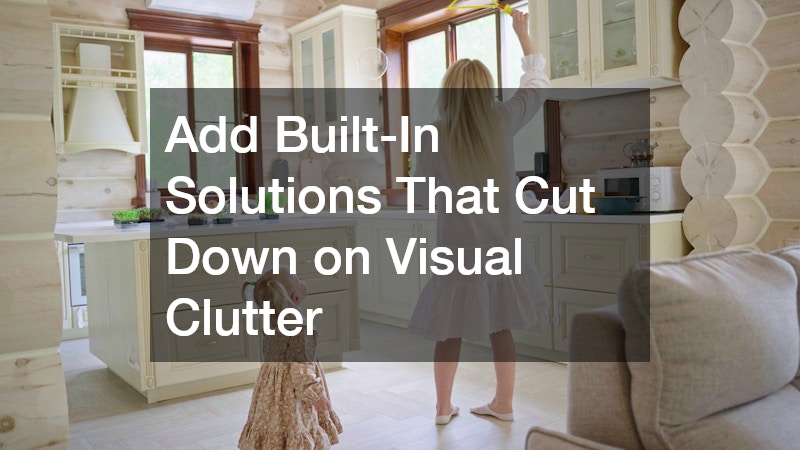
One of the smartest ways to modernize a kitchen is to reduce what stays in plain sight. Coffee makers, toasters, chargers, paper goods, pet items, and food containers all compete for space. The more of these items you can store efficiently, the calmer and more current the kitchen will feel.
That is where custom cabinetry becomes so useful. Built-in solutions can create places for the awkward things that tend to clutter counters and overflow shelves. Appliance garages, hidden charging drawers, pantry pull-outs, and specialized storage inserts are not just fancy upgrades. They solve real problems.
Modernization is also closely tied to home organization. A kitchen that is technically updated can still feel chaotic if there is no system for where things go. Organizing by task, frequency of use, and zone can make the room more enjoyable almost immediately.
Useful built-in ideas include:
- Dedicated breakfast or coffee zones
- Pull-out spice storage near the cooktop
- Tray dividers near baking areas
- Hidden outlets inside drawers or cabinets
- Pantry sections grouped by food type or meal use
- Low drawers for kid-friendly items if needed
The less visual noise the kitchen has, the more polished it feels. Built-in organization is often what turns a nice remodel into a truly functional one.
Choose Countertops That Can Handle Real Daily Use
Countertops affect how a kitchen looks, but they also shape how it functions. They take constant wear from cooking, cleaning, spills, heat, and general household activity. So while appearance matters, the best choice also has to fit your actual lifestyle.
When comparing kitchen countertops, think about more than color or pattern. Consider durability, maintenance, edge style, stain resistance, and how the material works with the rest of the room. Some surfaces look beautiful in photos but require more upkeep than homeowners want in real life.
If you are shopping for new countertops, ask yourself:
- How much cooking and prep happens in this kitchen?
- Are you comfortable with periodic sealing or extra care?
- Do you want a subtle surface or a dramatic focal point?
- Will the material work with your cabinet color and floor tone?
- Does it fit the long-term value of your home?
A good countertop choice should support both design and daily habits. The best kitchens are not just visually modern. They are practical enough to stay looking good under real use.
Use High-Impact Surfaces to Elevate the Whole Room

Not every upgrade has to happen everywhere at once. Sometimes strategic material choices have a bigger effect than trying to replace every finish in the room. Counters are a great example. Because they cover so much visual territory, they strongly influence whether a kitchen feels dated or current.
Granite kitchen countertops remain a popular option for homeowners who want durability and a more elevated appearance. In the right design, they can add depth, texture, and a polished feel without looking overly trendy. The key is choosing a slab that complements the rest of the kitchen instead of overpowering it.
When planning surface upgrades, try to think in layers:
- Main counters should support everyday function
- Accent areas can take more visual risk
- Edge profiles should feel clean and current
- Finishes should relate to the room’s overall style
- Materials should work with lighting, cabinetry, and backsplash choices
Well-chosen kitchen countertops can make older cabinetry look fresher, brighten the room, and create a more cohesive design. Counters do a lot of heavy lifting in kitchen modernization, which is why they deserve careful thought.
Make Nearby Storage Work With the Kitchen, Not Against It
A kitchen does not exist in isolation. A lot of clutter problems start outside the room and spill into it. Overflow pantry items, cleaning supplies, seasonal serving pieces, lunch containers, pet food, and paper products all end up in the kitchen when nearby storage is weak.
That is why modernization sometimes means thinking beyond the kitchen itself. Custom closets in adjacent spaces, like a mudroom, pantry extension, laundry area, or hallway storage zone, can take pressure off the kitchen and help it stay cleaner every day.
This also supports better home organization overall. When nearby spaces are working properly, the kitchen no longer has to absorb every item the household does not know where to put.
Helpful supporting spaces might include:
- A pantry with adjustable shelving
- A mudroom cabinet for bags and paper clutter
- Utility storage for bulk items
- A closet for small appliances used occasionally
- Dedicated space for entertaining supplies
The more intentional the surrounding storage is, the easier it becomes to keep the kitchen feeling modern instead of overloaded.
Update Cabinet Style Without Sacrificing Practicality

Cabinet style plays a huge role in whether a kitchen feels current, but appearance should not be the only factor driving the decision. A sleek look is great, but the doors, finishes, and hardware also need to stand up to real use.
If your existing kitchen cabinets are structurally sound, a refresh may be enough. In other homes, replacement is the smarter move because old units are worn, poorly designed, or no longer suited to the room. If you are investing more deeply, custom kitchen cabinets can help you balance updated style with better function.
When choosing a new cabinet look, it helps to lean toward details that feel clean and timeless rather than aggressively trendy. Simple door profiles, durable finishes, and thoughtful hardware tend to age better than flashy ideas that quickly feel dated.
Smart cabinet decisions often include:
- Lighter finishes to brighten darker kitchens
- Warm wood tones for depth and softness
- Hardware that feels simple and substantial
- Consistent door styles throughout the room
- Interior storage upgrades that improve daily use
A modern kitchen should feel fresh, but it should also feel easy to live with. Cabinet decisions have to satisfy both.
Pay Attention to the Details That Make the Kitchen Feel Finished
A lot of kitchen updates look good at first glance but fall apart on closer inspection. Uneven transitions, awkward trim, sloppy installation, or mismatched elements can make a new kitchen feel incomplete. Details matter more than people think.
A reliable kitchen contractor can help coordinate those final touches so the room feels cohesive rather than cobbled together. This includes how counters meet the wall, how cabinet panels finish at exposed ends, how trim lines up, and how new surfaces interact with existing flooring or adjoining rooms.
If you are combining old and new elements, be especially careful. New countertops next to outdated trim or a clumsy backsplash transition can weaken the whole effect. Consistency is what makes the kitchen feel thoughtfully modernized instead of partly updated.
Watch for details such as:
- Clean transitions between surfaces
- Balanced spacing around appliances
- Matching finish tones across metals and fixtures
- Straight installation lines
- Proper caulking and trim work
- Lighting placement that supports the design
These are the things people may not name directly, but they absolutely notice them.
Build a Plan That Matches Your Budget and Priorities
The best kitchen modernization is not the one with the biggest budget. It is the one that improves the room in the places that matter most. That might mean a full remodel, or it might mean phasing the work over time so the most important upgrades happen first.
Kitchen remodeling gets expensive when decisions are made reactively. Costs stay more manageable when you rank your priorities in advance. Maybe storage and counters matter most. Maybe layout comes first and cosmetic changes can wait. Maybe cabinetry is the real issue and everything else depends on that.
A practical budget plan usually works best when you:
- Identify must-fix problems first
- Separate functional upgrades from wish-list items
- Spend more on high-use surfaces and storage
- Avoid trendy extras that do not improve daily life
- Phase secondary improvements if needed
A modern kitchen should make life easier, not just look newer in photos. The smartest plans focus on function, clarity, and durability first, then layer in style where it adds the most value.