This guide to sprinkler system installation is designed to equip homeowners with the knowledge needed to make informed decisions about their irrigation needs.
Why Install a Sprinkler System?
Benefits of a Sprinkler System
Sprinkler systems deliver the precise water needed for a healthy lawn, saving time and effort through automation. Scheduled watering reduces water waste, and smart controllers adjust output based on weather, ensuring consistent hydration and even growth.
Integration with home automation systems can further enhance convenience and efficiency.
Cost Savings Over Time
Investing in a sprinkler system can offset its initial cost through decreased water bills and over-watering prevention. In places with water restrictions, efficient systems help avoid penalties and reduce frequent plant replacements. By controlling water use, you contribute to environmental sustainability while saving money.
Increased Property Value
A well-maintained lawn increases curb appeal and property value. Prospective buyers favor homes with low upkeep and efficient systems, making professionally installed irrigation a desirable real estate feature. Owners report higher satisfaction and pride of ownership with aesthetically pleasing gardens.
How to Plan Your Sprinkler System
Assessing Your Lawn Size and Shape
Begin planning by assessing your lawn’s size and shape to determine coverage and the number of sprinkler heads needed. Evaluate potential drainage issues and plan for scalability if needed. Accurate measurements ensure efficiency and prevent overspending on unnecessary equipment.
Choosing the Right Sprinkler Type
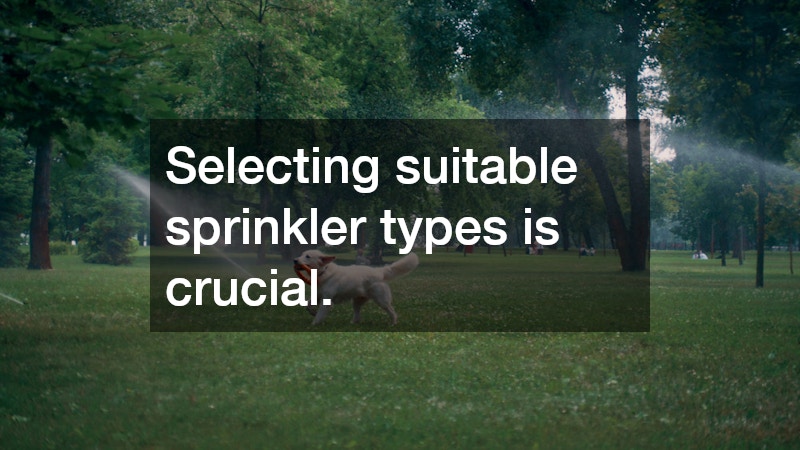
Selecting suitable sprinkler types is crucial. Rotating heads are ideal for large areas, fixed heads for smaller spaces, while drip systems minimize evaporation by targeting root zones. Consider each type’s pros and cons for your landscape needs. Tailor your choice to specific garden areas for optimal performance.
Layout and Zoning Considerations
Effective layout requires zoning, allowing areas to be watered according to their needs, promoting healthy growth. Zoning accounts for sun exposure, soil types, and plant density, optimizing water delivery and minimizing waste. Developing a zoning strategy helps in automating watering schedules efficiently.
What Tools and Materials Are Needed?
Essential Tools for Installation
DIY installation requires tools like trenchers, spades, pipe cutters, tape measures, and basic electrical tools. Wear safety gear to protect during installation. Ensuring you have the right tools prepares you for a smoother installation process without unnecessary delays.
Recommended Materials and Brands
Invest in quality brands for durable systems, like Rain Bird and Hunter. Consider smart irrigation systems for enhanced water-saving. Choose materials suited to your climate for performance longevity. Reading product reviews can provide insights into material reliability and ease of use.
Safety Gear and Precautions
Safety is paramount; wear protective gear. Be aware of underground utilities to prevent accidents, and have a first aid kit and assistance available. Proper safety protocols reduce the likelihood of injury and project setbacks.
Installation Steps for a DIY Project
Preparing Your Lawn
Mark and clear the installation area, knowing utility locations to avoid disruptions. Consult regulations for compliance before trenching for piping. Planning detailed plots ensures everything is in place before breaking ground.
Installing Sprinkler Heads and Pipes
Install heads and pipes following your layout. Ensure connections are tight to prevent leaks, test sections for pressure, and backfill carefully to avoid damaging pipes. Regular checks prevent long-term damage and maintain system integrity.
Connecting to a Water Source
Attach your system to your water supply securely using approved methods, install backflow devices to protect water quality, and test for consistent zone watering. Considering future adjustments will make maintaining the system easier.
How to Maintain Your Sprinkler System
Regular Inspection and Adjustment
Monthly inspections and adjustments prevent issues. Ensure even coverage and replace faulty parts promptly to avoid problems and maintain system efficiency. Keeping a maintenance log helps track parts and ensures timely servicing.
Winterizing Your System
Drain and insulate the system for winter, store removable parts, and protect components from freezing to ensure good condition for the next season. Taking preemptive measures ensures the system’s readiness for the next operational phase.
Common Troubleshooting Tips
Troubleshoot independently by clearing obstructions and checking pressure or controller settings, consulting manuals when needed, and seeking professional help if necessary. Approach maintenance proactively to support long-lasting system health.
By following this guide, install your sprinkler system correctly for maximum efficiency and minimal problems. Proper planning and maintenance are crucial to enjoying a smooth irrigation experience. An effectively maintained sprinkler system offers reliability and satisfaction, enhancing both lifestyle and property value.