
- Define clear project goals, scope, and long-term operational objectives before starting commercial building construction.
- Conduct thorough feasibility studies and site analysis to avoid zoning, environmental, and infrastructure issues.
- Create a detailed, realistic budget that includes permits, professional fees, materials, labor, and contingency funds.
- Secure all necessary permits and ensure compliance with building codes and safety regulations early in the process.
- Carefully select experienced contractors and choose the right project delivery method for better coordination and efficiency.
- Develop a risk management plan and a structured timeline to minimize delays and control unexpected costs.
Commercial projects involve higher budgets, stricter regulations, and more stakeholders than most other construction types. Without a structured plan, even minor oversights can lead to costly delays or compliance issues. Early planning allows owners and developers to define clear objectives, manage risk, and allocate resources effectively. It also ensures alignment between investors, architects, contractors, and regulatory bodies.
Before breaking ground, it is important to understand what commercial construction is and how it differs from residential work. Commercial projects typically include office buildings, retail spaces, warehouses, healthcare facilities, and mixed-use developments. These structures must meet specific safety codes, accessibility requirements, and operational demands. A detailed checklist keeps every phase organized and accountable.
Planning Checklist for Commercial Building Construction
A well-structured checklist helps streamline decision-making and keeps complex projects on track. Commercial building construction requires coordination between multiple professionals, from architects and engineers to financial planners and inspectors. Skipping early planning steps often results in change orders, budget overruns, and timeline extensions. This section outlines the most critical items you should address before construction begins.
Define Project Goals and Scope
Start by clarifying the purpose of the building. Is it intended for retail, office, industrial, or mixed-use operations? Identify the size requirements, future expansion plans, and performance expectations.
Clearly document:
- Building size and layout requirements
- Target completion date
- Estimated budget range
- Long-term operational goals
A defined scope prevents confusion and reduces mid-project changes.
Conduct Feasibility and Site Analysis

Selecting the right location can determine the long-term success of your investment. Analyze zoning laws, soil conditions, environmental restrictions, and utility access. A professional feasibility study evaluates whether the project is financially and structurally viable.
Key considerations include:
- Zoning compliance
- Environmental impact assessments
- Traffic and accessibility
- Utility infrastructure availability
Early research prevents unexpected regulatory obstacles.
Establish a Realistic Budget
Budget planning should go beyond construction costs alone. Include expenses for permits, design fees, materials, labor, inspections, insurance, and contingency funds. Many experts recommend allocating at least 10% for unforeseen expenses.
Break your budget into categories:
- Pre-construction costs
- Construction materials and labor
- Equipment and technology
- Post-construction inspections and occupancy permits
Transparent budgeting ensures financial stability throughout the project.
Are Permits, Codes, and Regulations Fully Addressed?
Regulatory compliance is one of the most critical aspects of commercial building construction. Unlike smaller residential projects, commercial buildings must meet strict building codes, fire safety regulations, and accessibility standards. Failing to secure the right permits can halt construction and lead to penalties. Early coordination with local authorities reduces approval delays and ensures smoother inspections.
Commercial projects must comply with national and local standards. These regulations cover structural integrity, energy efficiency, plumbing systems, and electrical installations. Accessibility requirements, such as ADA compliance in some regions, must also be considered during design. Addressing these elements in the planning phase prevents costly redesigns later.
Secure Necessary Permits
Before construction begins, ensure all permits are approved. This may include building permits, environmental clearances, and occupancy certificates. Permit timelines vary depending on location and project scale.
Work closely with:
- Local planning departments
- Fire safety authorities
- Environmental agencies
- Utility providers
Proactive communication helps avoid administrative delays.
How Do You Choose the Right Team and Delivery Method?
The success of a commercial project depends heavily on the expertise of the team behind it. Selecting qualified architects, engineers, and contractors ensures that design and construction align with your vision. The wrong team can lead to miscommunication, design flaws, and financial inefficiencies. Careful vetting minimizes risk and improves collaboration.
There are different project delivery methods to consider. Design-bid-build separates design and construction responsibilities, while design-build combines them under one contract. Construction management approaches provide additional oversight and flexibility. Choosing the right structure depends on project complexity, budget, and timeline.
Evaluate Contractors and Consultants
When selecting a contractor, review experience with similar commercial projects. Check references, licensing, insurance coverage, and safety records. Transparency in bidding and clear contract terms are essential.
Ask potential partners about:
- Previous commercial building experience
- Project management processes
- Communication protocols
- Quality control measures
Strong leadership ensures efficient execution.
What Risk Management and Timeline Strategies Should Be in Place?
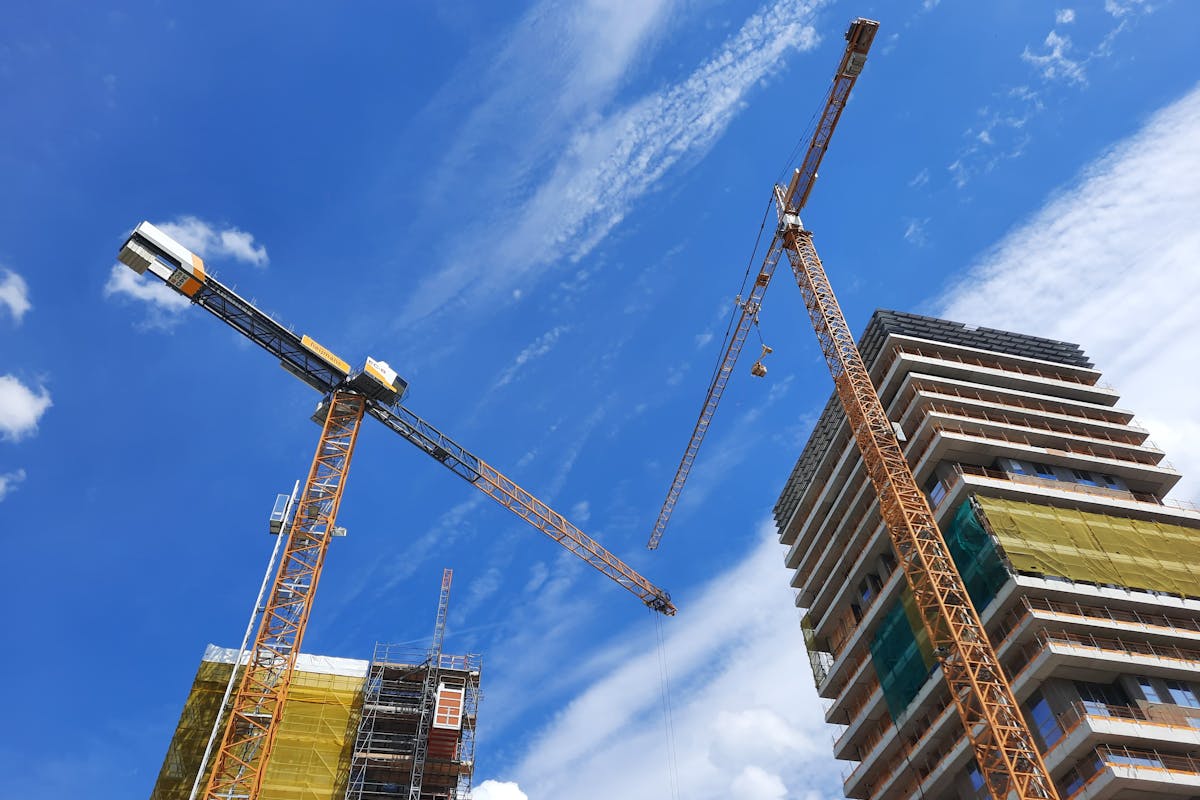
Even with strong planning, unexpected issues can arise during construction. Weather disruptions, supply chain delays, and labor shortages are common challenges. A comprehensive risk management strategy helps mitigate these uncertainties. Identifying potential risks early allows teams to develop contingency plans.
Creating a realistic construction schedule is equally important. Overly aggressive timelines often compromise quality or inflate costs. A phased schedule with milestone checkpoints ensures accountability and progress tracking. Regular updates keep stakeholders informed and aligned.
Develop a Risk Mitigation Plan
Outline potential risks and corresponding solutions. Assign responsibilities for monitoring and responding to each risk factor. This structured approach reduces panic-driven decisions during critical moments.
Consider risks such as:
- Material shortages
- Permit delays
- Design modifications
- Budget fluctuations
Prepared teams adapt faster and maintain project momentum.
Final Thoughts: Building with Confidence and Clarity
Successful commercial building construction begins long before excavation starts. Strategic planning aligns financial, operational, and regulatory components into a unified roadmap. By following a structured checklist, developers and business owners can reduce uncertainty and improve project outcomes. Thorough preparation transforms complex construction projects into manageable, goal-driven investments.