Buying a fixer-upper is an exciting milestone for many individuals. It represents potential, customization, and often a smart financial investment in a competitive real estate market. However, walking into a property that requires significant structural or cosmetic work can quickly become overwhelming. Without a clear plan, homeowners often waste thousands of dollars by completing projects out of order. For instance, painting walls before fixing a ceiling leak results in ruined paint and double the labor costs. True home renovation requires a logical, step-by-step strategy that prioritizes structural health over aesthetic choices.
Experienced general contractors know that successful renovations move from the outside in, and from the structural to the cosmetic finishes. This means securing the perimeter and fixing hidden issues before spending money on beautiful surfaces. When people try to tackle everything at once, budgets vanish, timelines stretch, and stress levels skyrocket. A chaotic approach often leads to cutting corners, which hurts the property value in the long run.
Budget management plays a central role in this process. When individuals buy an older house, they frequently encounter unexpected surprises once the walls are opened. Having a contingency fund of fifteen to twenty percent is highly recommended by financial advisors. This financial buffer ensures that the renovation does not grind to a halt when an unforeseen issue arises.
This guide outlines the ultimate renovation checklist to keep projects on track from start to finish. Following this exact order ensures that every dollar spent builds upon the last instead of undermining it. It helps homeowners prioritize tasks based on structural urgency, system functionality, interior comfort, and exterior appeal. By adhering to this methodical sequence, anyone can transform a distressed property into a dream home efficiently and safely. Let us break down the exact timeline for a successful, stress-free property transformation.
Phase One: Securing the Exterior Envelope
Before picking up a hammer inside the building, the exterior structure must be completely sealed against weather elements. There is no point in replacing drywall or installing new carpets if water can penetrate the building during a heavy downpour. The very first step in any major renovation project involves inspecting the top of the house. Water damage is the single greatest threat to a building’s longevity, and it almost always starts from above.
A compromised covering can lead to rotted structural beams, ruined attic insulation, and sagging ceilings inside the living spaces. Therefore, the homeowner must bring in a professional roofer to inspect the shingles, flashing, chimneys, and gutters. If the inspection reveals hidden leaks, missing tiles, or widespread wear, a full replacement or substantial repair must happen immediately. This structural work forms the bedrock of all future interior improvements, protecting subsequent investments from water damage.
In addition to the primary covering, the gutter system must be entirely clear and properly angled. Gutters that sag or overflow spill water directly next to the foundation, which can cause basement flooding and structural shifting over time. Ensuring that downspouts extend at least several feet away from the home is an easy yet vital task during this exterior phase.
During this initial phase, windows and exterior doors should also be evaluated for energy efficiency and weather resistance. Drafty openings or cracked seals allow moisture and pests to enter the framing. Sealing these gaps protects the interior from wind, rain, and temperature fluctuations. Once the home is entirely watertight, the risk of weather-related delays decreases significantly. The crew can then safely transition to internal demolition and foundational repairs without fearing the next major rainstorm.
Phase Two: Remediating Hazards and Routing Core Plumbing

With the exterior shell secure, attention shifts to what lies behind the walls. Older homes often harbor hidden dangers that can threaten human health or destroy new materials if left unaddressed. Before closing up any walls or running new electrical wires, a thorough safety sweep of the exposed framing is mandatory. One of the most common issues discovered during internal demolition is the presence of toxic environmental spores.
If moisture was trapped in the walls for months or years due to old leaks, dark patches might appear on the wood studs or old drywall. Discovering mold requires immediate remediation from certified specialists before any other indoor work continues. Trying to paint over these areas or cover them up with new drywall will only lead to recurring health problems and structural rot later on. Removing these hazards completely ensures a clean, safe slate for the rest of the build.
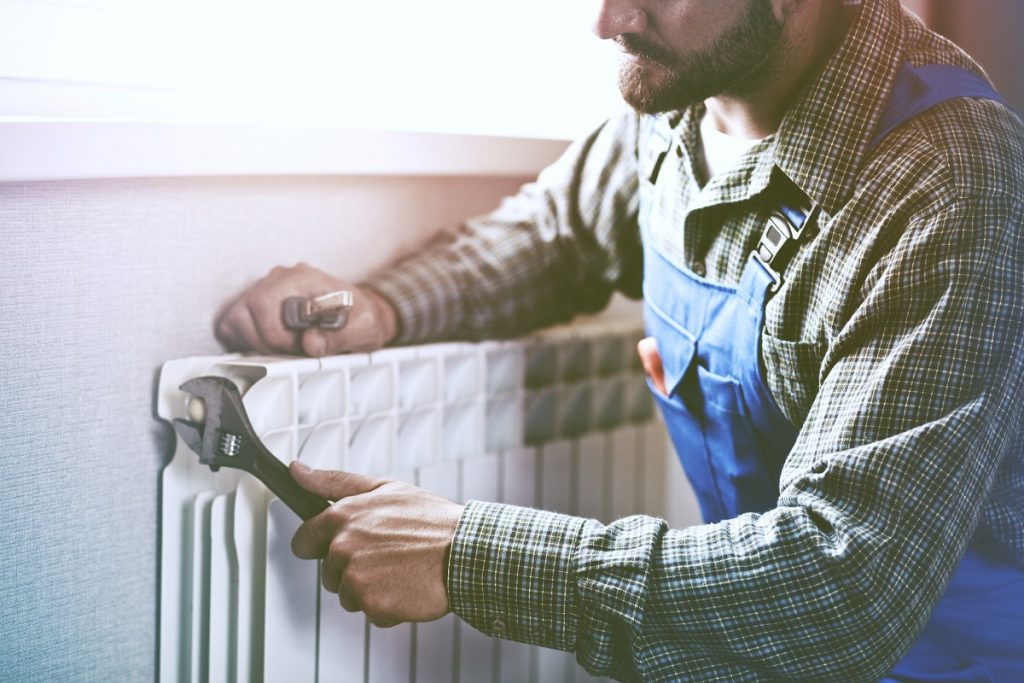
After environmental safety is confirmed, the home’s primary utility lines require attention. Subsurface systems must be updated while the framing is exposed to avoid tearing things open later. Leaky pipes, outdated galvanized steel, or clogged sewer lines will ruin brand-new kitchens and bathrooms. Property owners should hire an affordable plumber to inspect the entire supply and waste network. This specialist can replace old lines, fix hidden leaks, and rough-in the valves for future sinks, showers, and toilets.
Investing in quality plumbing infrastructure at this stage saves thousands of dollars down the road. It prevents the nightmare of cutting through fresh tile or drywall to fix a leaky pipe two months after the project ends. This phase sets up the core functionality of the household, ensuring that the water flows safely and efficiently where it belongs.
Phase Three: Climate Control Upgrades and Mechanical Access
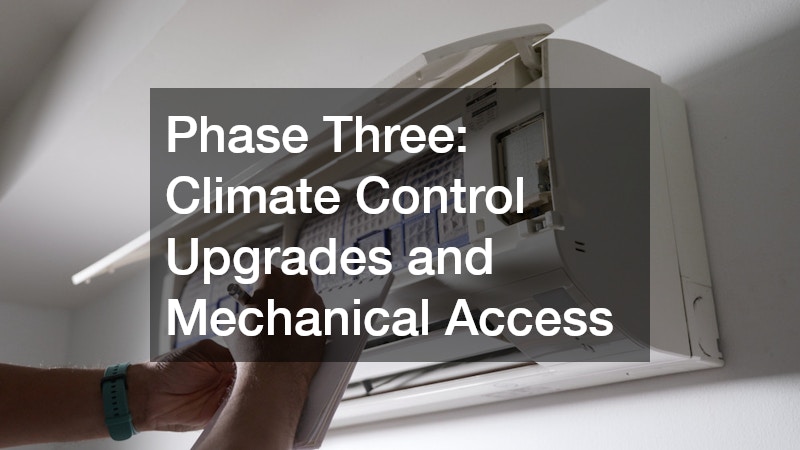
Once the pipes are in place, the next logical step involves the climate control systems and heavy mechanical entryways. A comfortable home relies on efficient heating, ventilation, and cooling, which requires extensive ductwork and wiring. Installing these large components must happen before the drywall goes up, as running ducts through finished ceilings is incredibly difficult and expensive.
At this point, the homeowner should consult with a reputable local HVAC company to design the heating and cooling layout. Technicians will install the furnace, outdoor condenser unit, and the necessary ventilation pathways through the exposed framing. They will also verify that the home has proper airflow, which prevents future moisture buildup and keeps air fresh. Modern systems also lower monthly utility costs, making this upgrade highly beneficial for long-term budgeting.
Before the drywall panels are hung, adding high-quality insulation to the open wall cavities is essential for maximum efficiency. This material acts as a thermal blanket, keeping heat inside during the winter and blocking outdoor heat during the summer months. It also provides an extra layer of soundproofing between rooms.
While the interior climate systems are being wired, the main vehicle entry points require attention to secure the site. An old, uninsulated garage door can drain heat from the house and compromise overall property security during construction. It is wise to contact professional garage door companies to evaluate the existing tracks, springs, and panels. Replacing a faulty system with a modern, insulated door keeps the garage secure and helps maintain a stable temperature throughout the adjacent living spaces.
Securing these large mechanical elements prepares the home for the installation of insulation and drywall. With the walls finally closed up, the project transitions from a chaotic construction zone into a recognizable living environment. Homeowners can now begin planning the finer details of the interior design.
Phase Four: Installing Interior Flooring and Window Coverings
With the walls closed, primed, and painted, the renovation enters the cosmetic finish phase. This is where the home truly begins to reflect the personal style of the owner. Selecting durable, high-quality materials ensures the interior remains beautiful and functional for decades. The sequence here is vital; flooring should happen after heavy wall work is complete to prevent scratches, dents, and paint spills.
For main living areas, installing premium hardwood flooring adds immense value, warmth, and timeless elegance. Carpenters lay down the planks carefully, ensuring tight seams and a completely level surface across the subfloor. Because natural wood expands and contracts with humidity, the climate control system must be running consistently before this step. Protecting this investment requires keeping heavy tools, dirty work boots, and construction dust away from the freshly finished wood surface.
Directly after the floors are secured, attention turns to light control, privacy, and interior aesthetics. Empty windows allow passersby to look inside the home, and direct sunlight can quickly fade new wood finishes over time. Homeowners should measure and order custom window blinds for every room to solve these issues. These fixtures provide immediate privacy, block harmful ultraviolet rays, and help regulate indoor temperatures by adding an extra layer of insulation.
Choosing the right colors and styles can complement the natural tones of the wood floors, creating a cohesive interior design. At this stage, the home looks nearly complete from the inside, allowing the focus to shift toward security technology and exterior landscaping improvements.
Phase Five: Enhancing Smart Security and Entryway Tech

A fully renovated home contains valuable new appliances, fresh electronics, and expensive finishes. Protecting this investment from theft, vandalism, or trespassing is a top priority for any property owner. Modern security technology allows people to monitor their property from anywhere in the world using smartphone applications. Integrating these systems should happen right before the final move-in day to ensure everything works perfectly.
This technological step is beneficial because it bridges the gap between active construction and everyday occupancy, providing a reliable shield for the updated property. Homeowners can rest easy knowing that their newly installed components are protected around the clock, even when they are away from the site during the final stages of the project.
The front entrance serves as the primary focal point of the home’s exterior design. It is also the most common point of access for visitors, friends, and daily delivery services. Scheduling a professional front door camera installation provides peace of mind and clear visual confirmation of anyone approaching the property. High-definition lenses and smart motion sensors alert the owner to activity instantly, significantly reducing the risk of package theft.
This technology also integrates seamlessly with smart locks, outdoor lighting, and home automation systems. Technicians can configure the setup so that the exterior lights turn on automatically whenever motion is detected at night. Wiring these devices neatly ensures that cables remain hidden from view, maintaining a clean and professional aesthetic on the front porch. A secure perimeter allows the renovation team to focus entirely on the final phase of the project: creating beautiful outdoor living spaces.
Phase Six: Crafting Outdoor Living Spaces and Curb Appeal

The final phase of the ultimate fixer-upper checklist moves back outside to maximize the property’s usable square footage. Curb appeal dictates the initial impression of a home, while a well-designed backyard serves as an extension of the indoor living room. Outdoor renovations should always happen last to prevent heavy landscaping machinery from damaging new interior finishes or exterior siding.
An excellent way to start updating the backyard is by creating a solid foundation for outdoor entertainment and dining. Pouring a spacious concrete patio provides a durable, low-maintenance surface for grilling, furniture, and family gatherings. Professional installers ensure the slab slopes away from the house foundation to prevent water pooling near the basement. Once cured, this area becomes the central hub for summer relaxation and outdoor activities.
To frame this new outdoor feature beautifully, the surrounding yard needs professional attention and fresh materials. Property owners should partner with a local landscape supplier to source topsoil, gravel, mulch, and native plants. Using high-quality bulk materials ensures that gardens thrive and pathways remain stable through changing seasons. Laying down fresh mulch around trees and flowerbeds keeps weeds at bay and locks in essential soil moisture.
Properly grading the soil with these materials also protects the new concrete structures from shifting or eroding over time. This careful combination of hardscaping and softscaping completes the entire property transformation, turning a once-neglected yard into a beautiful, cohesive oasis.
Finalizing the Transformation with a Quality Walkthrough
Completing a home renovation in the correct chronological order saves time, reduces stress, and protects the financial investment. By starting with the exterior shell, moving through core mechanical systems, and finishing with beautiful interior surfaces, homeowners avoid costly mistakes. Each phase builds logically upon the previous one, ensuring a smooth transition from demolition to final interior design.
A final walkthrough allows the owner to check every detail with their contractors before moving furniture inside. This involves checking plumbing connections, testing light switches, and ensuring the window coverings operate smoothly. Taking the time to plan each step carefully guarantees a successful outcome that lasts for decades. With a structured approach, any fixer-upper can become a safe, functional, and stunning home.