
Owning a home is a long-term commitment that extends far beyond the initial purchase. While many homeowners focus on upgrades and décor, the real value of a property is preserved through consistent, thoughtful maintenance. A smart maintenance plan is not about reacting to emergencies but about anticipating needs before they become disruptive or expensive. By breaking responsibilities into manageable categories and spreading them across the year, homeowners can protect their investment while keeping their living space comfortable and functional.
An annual approach to maintenance also brings clarity. Instead of guessing what might need attention, you gain a structured roadmap for inspections, minor fixes, and visual refreshes. This allows you to budget time and energy more effectively while reducing stress. Each system in your home has a role to play, and when they work together efficiently, your property becomes easier to manage. The following guide walks through key areas that deserve attention each year, helping you understand what to monitor, when to act, and how proactive care supports long-term stability.
Heating System Performance and Seasonal Readiness
Your home’s heating system works hardest during colder months, making it essential to assess its condition before winter arrives. Regular inspections help identify worn components, airflow issues, or inefficiencies that could impact performance when temperatures drop. Homeowners should start by checking filters, vents, and thermostats to ensure unobstructed airflow and accurate temperature control. Listening for unusual noises or changes in heating consistency can also reveal early signs of trouble.
Scheduling professional furnace repair at the right time can prevent unexpected breakdowns and improve overall efficiency. Addressing small issues early often extends the lifespan of the system and supports more consistent indoor comfort. A well-maintained heating unit also contributes to better air quality, as clean components reduce dust and allergen circulation. Keeping maintenance records helps track service history and makes future evaluations easier. By treating heating care as a planned task rather than an emergency response, homeowners create a safer and more predictable environment throughout the year.
Entry Access and Mechanical Door Reliability
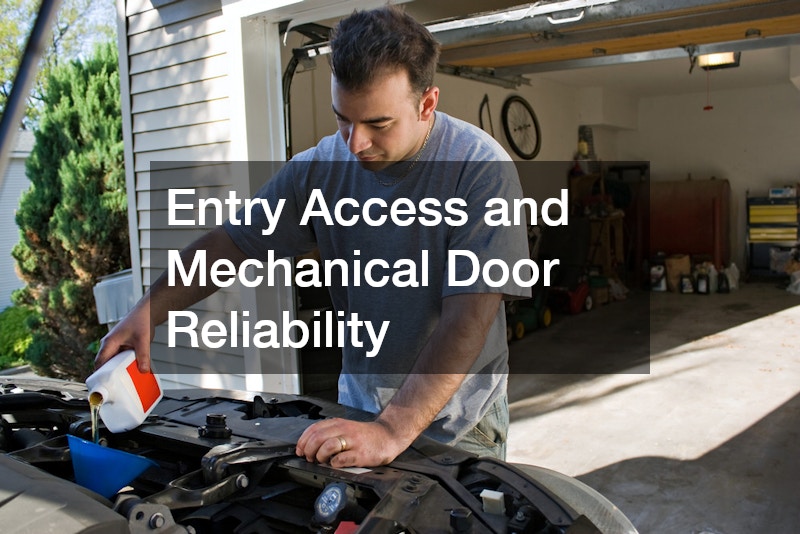
Garage doors are among the most frequently used mechanical systems in a home, yet they are often overlooked until something stops working. Annual inspections help ensure that tracks are aligned, rollers move smoothly, and sensors function correctly. Homeowners should observe how the door opens and closes, noting any hesitation, uneven movement, or unusual sounds. These signs often point to wear that can worsen if ignored.
Routine attention to garage door repair keeps daily routines uninterrupted and supports home security. A malfunctioning door can compromise safety or prevent access altogether, making preventive care especially valuable. Lubricating moving parts, tightening hardware, and testing safety features are simple steps that go a long way. This system also affects curb appeal, as a properly functioning door maintains the home’s visual balance. Treating garage access as a priority ensures convenience and peace of mind throughout the year.
Water Supply Systems Beyond City Connections
Homes that rely on private water sources require a unique maintenance mindset. Unlike municipal systems, these setups place responsibility directly on the homeowner. Annual checks should include monitoring water pressure, inspecting visible components, and testing water quality. Subtle changes in taste, clarity, or flow can signal underlying problems that deserve attention.
Staying ahead of well pump repairs helps protect both water access and household appliances that depend on steady pressure. Mechanical strain, sediment buildup, or electrical issues can reduce performance over time. Documenting maintenance activities and test results provides useful context for future evaluations. Proactive care also supports health and safety by ensuring clean, reliable water year-round. By understanding how this system operates and responding quickly to early warning signs, homeowners can avoid sudden disruptions and maintain confidence in their water supply.
Exterior Cleaning and Surface Preservation

Outdoor surfaces endure constant exposure to weather, debris, and environmental buildup. Over time, dirt, mold, and mildew can accumulate, affecting both appearance and material integrity. Annual cleaning helps preserve siding, walkways, decks, and driveways by removing contaminants before they cause lasting damage. Homeowners should visually inspect these areas each season to identify discoloration or residue.
Incorporating power washing services into a maintenance plan refreshes exterior spaces while extending the life of surfaces. Clean exteriors also make it easier to spot cracks, loose materials, or drainage issues that might otherwise go unnoticed. This process supports property value by maintaining a well-cared-for appearance. Scheduling exterior cleaning during milder weather ensures effective results and minimizes disruption. When outdoor surfaces are kept clean, the entire property feels more inviting and manageable.
Cooling Comfort and Warm-Weather Efficiency
As temperatures rise, cooling systems take center stage in maintaining indoor comfort. Annual evaluations help ensure that units operate efficiently and consistently during peak demand. Homeowners should clear debris from outdoor components, check vents for obstructions, and monitor thermostat responsiveness. Uneven cooling or rising energy usage may indicate the need for closer inspection.
Routine attention to air conditioning services improves performance and reduces strain on equipment. Clean coils and proper airflow contribute to more stable temperatures and better humidity control. Preventive care also helps avoid sudden failures during heat waves, when service availability may be limited. Keeping a simple checklist of seasonal tasks allows homeowners to stay organized and proactive. A reliable cooling system supports comfort, productivity, and overall quality of life throughout the warmer months.
Recreational Features and Backyard Functionality

Pools add enjoyment and value to a home, but they also require consistent upkeep to remain safe and functional. Annual inspections should focus on structural components, circulation systems, and safety features. Homeowners should look for leaks, uneven surfaces, or changes in water clarity that may signal underlying issues.
Scheduling pool repair services as part of regular maintenance helps preserve usability and extends the lifespan of equipment. Addressing minor concerns early prevents more extensive repairs later in the season. Routine care also supports water quality, reducing strain on filters and pumps. Keeping detailed records of maintenance activities helps track patterns and plan future care. When recreational features are well-maintained, they remain a source of relaxation rather than a source of stress.
Plumbing Systems and Interior Infrastructure
Plumbing plays a critical role in daily comfort, yet much of it remains hidden behind walls and floors. Annual checks help identify leaks, corrosion, or pressure inconsistencies before they cause visible damage. Homeowners should inspect under sinks, around fixtures, and near appliances for signs of moisture or wear.
Thoughtful planning around plumbing installation ensures that upgrades or replacements integrate smoothly with existing systems. Understanding how water lines and drainage paths function makes it easier to spot irregularities. Preventive attention also supports efficiency, reducing water waste and protecting structural elements. Keeping an eye on plumbing health contributes to a quieter, more reliable home environment. By treating plumbing as a core system rather than an afterthought, homeowners strengthen the foundation of everyday living.
Roof Integrity and Weather Protection

The roof serves as the home’s first line of defense against the elements, making annual inspections essential. Homeowners should look for missing shingles, damaged flashing, or signs of wear after major storms. Checking the attic for moisture or light penetration can also reveal issues that need attention.
Incorporating roofing services into a yearly plan helps prevent small problems from escalating into costly repairs. Proper drainage and ventilation support structural health and indoor comfort. Routine inspections also make it easier to plan future updates rather than reacting to emergencies. Keeping the roof in good condition protects everything beneath it, from insulation to interior finishes. A well-maintained roof supports confidence in the home’s overall resilience.
Interior Refreshes and Visual Maintenance
Interior spaces benefit from periodic updates that go beyond aesthetics. Annual evaluations help identify scuffs, fading, or wear that may indicate deeper issues like moisture or poor ventilation. Refreshing living spaces also contributes to comfort and satisfaction, making the home feel cared for and current.
Thoughtful use of interior painting allows homeowners to protect surfaces while enhancing visual appeal. Fresh finishes can brighten rooms, improve lighting perception, and support a cohesive design. Planning these updates strategically minimizes disruption and maximizes impact. Regular attention to interior surfaces also helps maintain property value. When visual maintenance is treated as part of a larger care plan, the home remains both functional and welcoming.
Wall Condition and Structural Appearance
Walls provide both structure and visual continuity throughout a home. Over time, minor damage from settling, daily use, or humidity can affect their appearance. Annual inspections help identify cracks, dents, or uneven surfaces that may need attention. Addressing these issues early prevents them from spreading or becoming more noticeable.
Including drywall repair in a maintenance routine supports both aesthetics and structural integrity. Smooth, well-maintained walls make other updates more effective and contribute to a polished look. This type of care also prepares surfaces for future changes, such as painting or remodeling. By keeping walls in good condition, homeowners maintain a clean, cohesive interior that reflects consistent upkeep.
Maintaining a home is an ongoing process that rewards planning and awareness. By addressing key systems and surfaces each year, homeowners reduce surprises and gain confidence in their living environment. A structured maintenance plan transforms responsibilities into manageable tasks, making it easier to stay ahead of potential issues. Over time, this approach protects value, supports comfort, and creates a home that feels dependable and well cared for.
Creating a Personalized Annual Maintenance Schedule
While understanding what to maintain is essential, knowing when to address each task is what turns knowledge into action. A personalized annual maintenance schedule helps homeowners spread responsibilities evenly throughout the year, reducing overwhelm and preventing last-minute decisions. Seasonal planning ensures that systems are serviced at the most practical time, when access is easier and conditions are favorable. For example, exterior inspections are best handled during mild weather, while interior assessments can take place year-round.
Homeowners benefit from grouping tasks by season and prioritizing systems based on usage patterns. Creating a written checklist or digital reminder system makes it easier to stay consistent without relying on memory alone. This approach also supports better coordination when professional services are needed, as scheduling in advance often provides greater flexibility. Over time, this routine becomes second nature, allowing maintenance to feel manageable rather than burdensome. A well-organized schedule transforms home care into a predictable, low-stress process that supports long-term stability.
Budgeting Time and Resources for Ongoing Care
Maintenance planning is not only about identifying tasks but also about allocating resources wisely. Homeowners who account for routine upkeep in their annual planning often find it easier to manage unexpected situations. Setting aside time for inspections and minor fixes prevents small issues from escalating into disruptive repairs. This proactive mindset supports smoother decision-making throughout the year.
Tracking maintenance history also provides valuable insight. Notes about inspections, observations, and completed tasks help identify patterns and anticipate future needs. This record becomes especially useful when preparing for upgrades or selling a property, as it demonstrates consistent care. By treating maintenance as a recurring investment rather than an occasional obligation, homeowners create a more predictable and controlled ownership experience. Time and attention spent on planning often pays off in reduced stress and improved home performance.
Long-Term Benefits of Preventive Home Maintenance
Consistent maintenance delivers benefits that extend beyond immediate functionality. Homes that are regularly inspected and refreshed tend to age more gracefully, retaining their appeal and usability over time. Preventive care also supports energy efficiency, safety, and indoor comfort, contributing to a better living environment. When systems work as intended, daily routines feel smoother and more reliable.
Another key advantage is peace of mind. Knowing that major components have been evaluated and addressed reduces uncertainty and allows homeowners to focus on enjoying their space. This confidence grows with each year of consistent care, reinforcing the value of a structured maintenance plan. Ultimately, a proactive approach helps homeowners feel more connected to their property and more confident in their ability to manage it effectively.
A smart maintenance plan is not about perfection but about consistency. By setting clear priorities, organizing tasks thoughtfully, and staying attentive to changes, homeowners create a living space that supports comfort, efficiency, and long-term value. Over time, these habits build a strong foundation for responsible ownership, ensuring the home remains a reliable and welcoming place year after year.