As a homeowner, one of the significant decisions you may face is whether to replace your HVAC (Heating, Ventilation, and Air Conditioning) system. Your HVAC system is essential for maintaining comfortable indoor temperatures and ensuring good air quality. Factors such as age, performance issues, and maintenance costs will all play an important role in determining if it’s time for a replacement. Knowing when to replace your system can save you money in the long run and enhance your home’s comfort and energy efficiency. In this blog post, we’ll explore several signs and considerations that can help you decide if an HVAC replacement is necessary.
Understanding the Age of Your System
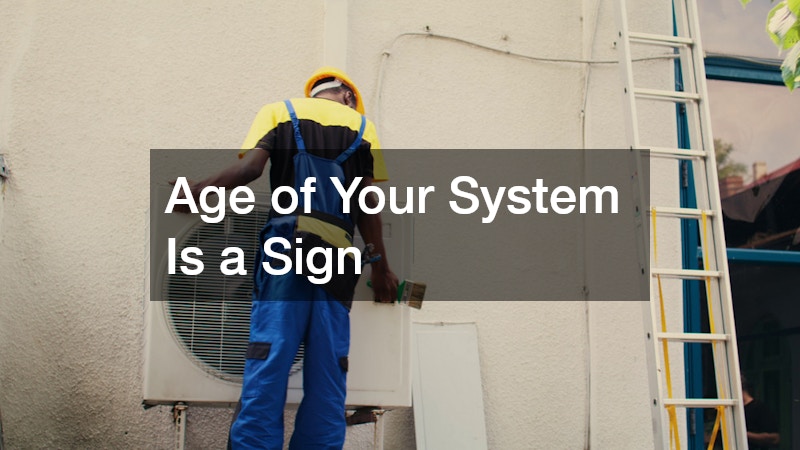
The age of your HVAC system is a primary factor when considering replacement. Most systems have a lifespan of about 15 to 20 years.
If your system is approaching or has exceeded this age range, it’s wise to start evaluating its performance and the cost of repairs compared to a new system. An older system may not only work less efficiently but also use more energy, leading to higher utility bills. Regular maintenance could extend its life, but eventually, the question arises: is it worth investing more in an outdated system? In many cases, opting for a newer, energy-efficient HVAC unit can be a smarter long-term investment.
Signs of Declining Performance
Your HVAC system may show clear signs of distress, indicating it may be time for a replacement. Common symptoms include inconsistent temperatures throughout your home, strange noises such as banging or hissing, or increased humidity levels indoors. If you find yourself constantly adjusting the thermostat yet not achieving the desired comfort, your system may not function effectively. Moreover, if you experience frequent breakdowns or costly repairs, you should assess whether those expenses are justifiable. Continuing to repair an inefficient system can ultimately drain your finances, making a replacement a more economical choice.
Escalating Energy Bills
Having a well-functioning HVAC system should help keep your energy bills stable and predictable. If you notice a noticeable increase in your monthly energy costs, it could be due to an aging or malfunctioning system. HVAC units that are not operating efficiently have to work harder to maintain your desired temperature, leading to higher energy consumption. An inefficient system not only affects your budget but also has a negative impact on the environment due to increased carbon emissions. By replacing your HVAC system with a modern and more energy-efficient model, you can reduce your energy bills and contribute positively to your environmental footprint.
Inconsistent Air Quality
Air quality is essential for a healthy living environment, and an aging HVAC system may compromise this aspect. If you’ve started to notice an increase in dust, mold, or unpleasant odors, it could indicate that your HVAC system is struggling to filter air correctly. A malfunctioning HVAC system may recirculate stale or contaminated air throughout your home, exacerbating allergy symptoms or other respiratory issues. Newer HVAC systems often come equipped with advanced filtration systems that significantly improve indoor air quality. If clean air is a priority for you and your family, investing in a replacement could provide peace of mind and improve overall wellness at home.
Technological Advances
The technology behind HVAC systems is constantly evolving, leading to enhanced efficiency, quiet operation, and advanced features such as smart thermostats. Upgrading to a new HVAC system can provide benefits that older systems simply cannot offer. Many modern HVAC systems are designed to be more eco-friendly and energy-efficient, which not only saves you money but also benefits the planet. Features like programmable thermostats and zoning systems allow for more control over your home’s climate and contribute to optimal energy usage. If your current system lacks these advancements, now might be the perfect opportunity to explore the market for a replacement that meets modern standards.
As you reflect on the condition and performance of your HVAC system, it’s crucial to weigh these various factors carefully. The age of your unit, noticeable performance issues, rising energy costs, and concerns over air quality are all valid considerations when deciding on HVAC replacement. Additionally, technological advancements provide opportunities to enjoy greater comfort and efficiency in your home. If you’re experiencing any of the warning signs discussed, it may be time to consult with a professional HVAC technician to assess your situation. In summary, investing in an HVAC replacement can lead to substantial benefits, enhancing your home’s comfort, air quality, and efficiency for years to come.