
Owning a home is a rewarding journey, but it comes with a lot of responsibility. The exterior and interior of a house are deeply connected, functioning together like a single ecosystem. When you neglect your yard, skip basic cleaning tasks, or ignore minor structural issues, you are setting the stage for much larger problems down the road. A single overgrown tree branch can damage your roof shingles during a storm, allowing rainwater to seep into your attic. That trapped moisture can quickly trigger a massive mold breakout or attract thousands of destructive insects right into your living space.
Fortunately, maintaining a beautiful, secure, and healthy home does not require an engineering degree or a massive savings account. The secret to successful property management lies in consistency and preventative care. By developing small, simple habits and conducting brief monthly walkthroughs, you can catch minor issues before they turn into expensive structural emergencies.
Taking a proactive approach protects your family from hidden safety hazards and preserves your hard-earned financial investment. This comprehensive guide will walk you through easy, actionable steps to keep your lawn tamed, your foundation dry, and your interior completely secure throughout the changing seasons. With a few simple tools and a bit of focus, you can transform your property into a safe haven that stands strong against the elements.
Keep Foliage Groomed and Eliminate Overhanging Hazards
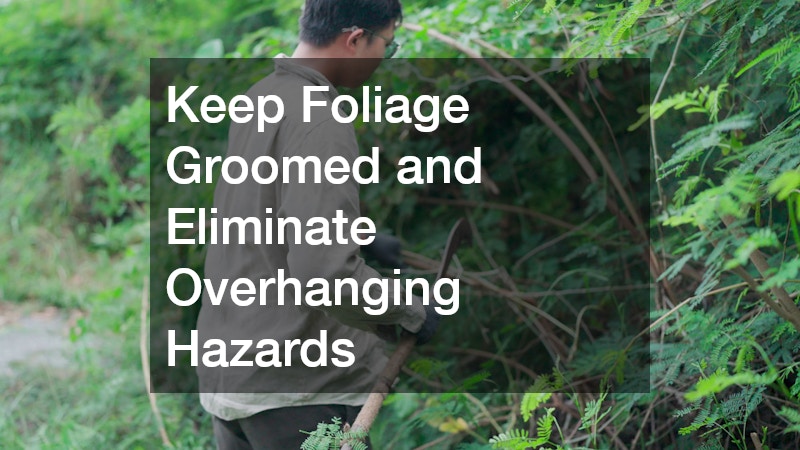
Your yard is your home’s first line of defense against the outside world. However, when trees and bushes are left to grow completely wild, they quickly transform into serious safety liabilities. During heavy summer storms or high winter winds, weak or dead tree branches can snap easily, crashing down onto your roof, crushing your gutters, or shattering your windows. Overgrown trees can also grow heavy roots that snake underground, cracking your concrete driveway or piercing through your main sewer lines.
In addition to physical impact hazards, untamed landscaping creates direct pathways for unwanted visitors. When tree limbs press directly against your roofline or siding, they act like a highway for small animals. Squirrels, rats, and raccoons will gladly use these branches to climb onto your roof, where they can chew through your wooden fascia boards or tear up your vent caps to nest inside your warm attic. Furthermore, dense bushes that lean tightly against your foundation trap moisture against your walls, accelerating wood rot and providing a perfect dark hiding spot for burglars or pests looking to slip inside unnoticed.
To keep your perimeter groomed and safe, implement these basic landscaping rules:
- Maintain a six-foot clearance zone: Trim all tree branches so they sit at least six feet away from your roof, siding, and chimneys.
- Prune bushes away from the walls: Keep your foundation shrubs cut back at least two feet from the side of your house to allow air to circulate and keep the wood dry.
- Check for tree decay regularly: Look for warning signs of dead trees, such as peeling bark, large fungi growing around the base, hollow trunks, or branches that fail to produce leaves in the spring.
- Clear low-hanging branches near paths: Ensure all limbs hanging over walkways or driveways are trimmed high enough to allow clear sightlines and prevent injuries to people walking by.
Scheduling a routine tree trimming service keeps heavy, wild branches from scraping against your home’s exterior paint or breaking windows during high winds. For larger, hollowed-out trees that lean dangerously toward power lines, it is best to gather quotes from licensed tree removal companies to extract them safely.
Seal Hidden Entry Points and Set Up Early Warning Checks
Once your yard is under control, you need to turn your attention to the exterior shell of your house. Small creatures are constantly searching for warmth, water, and food, and your home is their ultimate target. Many homeowners do not realize that mice can squeeze through a hole the size of a dime, and bugs can slip through gaps that are practically invisible to the human eye.
The best way to protect your interior is to conduct a thorough foundation check twice a year. Walk around your property with a flashlight and a tube of high-quality exterior caulk. Look closely at the areas where different building materials meet, such as where your brick siding connects to your wooden framing. Check the spaces around outdoor pipes, dryer vents, electrical lines, and outdoor faucets. If you find any open gaps, seal them immediately to create a solid barrier against the outside world.
Keep your home secure by following these specific monitoring habits:
- Install heavy-duty door sweeps: Make sure there are no visible gaps at the bottom of your exterior doors, especially leading into the garage or basement.
- Inspect window screens for tears: Fix small holes in your window mesh immediately so you can enjoy fresh air without letting flying insects inside.
- Elevate your firewood piles: Store all firewood at least twenty feet away from your house and keep it raised off the bare ground to prevent creating a nesting zone.
- Keep crawlspace vents clear but covered: Ensure your crawlspace ventilation screens are intact so air can flow, but larger animals cannot tear their way underneath your floors.
Creating a regular tracking routine for your crawlspaces allows for early pest detection before a colony can compromise your wooden floor joists. If you find evidence of an active wood-destroying organism, contacting a certified pest control company immediately ensures the problem is contained.
Redirect Rainfall Away from Walls and Keep Crawlspaces Dry
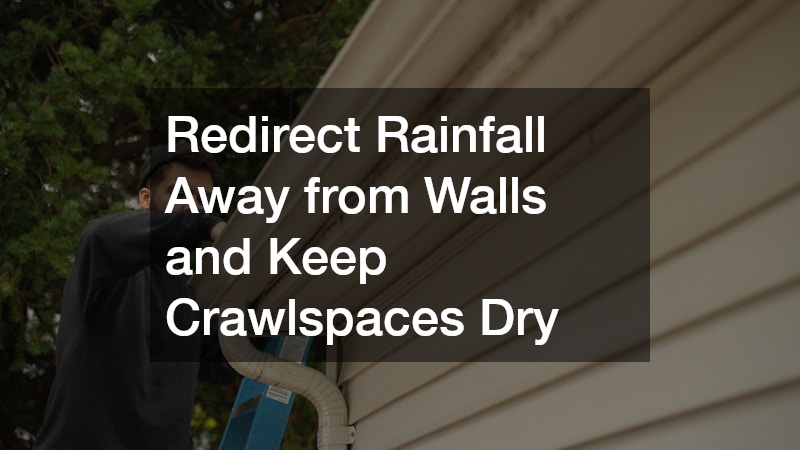
Water is the single most destructive element a homeowner will ever face. While a major flood makes headlines, the most dangerous water damage usually happens slowly and silently over several months. When gutters are packed tight with falling leaves, twigs, and pine straw, rainwater cannot flow through downspouts properly. Instead, the water overflows over the front edge of the gutter, cascading straight down your exterior walls and pooling right at the base of your foundation.
When massive amounts of water saturate the soil around your foundation, it exerts immense pressure against your basement walls. Over time, this water will find micro-cracks in the concrete, slowly seeping into your basement or crawlspace. This continuous dampness softens your structural wood supports, rusts metal fasteners, and breeds toxic mold spores that travel upward into your breathing air. Keeping your home dry requires managing how water flows across your entire property.
Protect your home structure from moisture with these simple adjustments:
- Clean your gutters twice a year: Clear out your gutter channels every spring and autumn to guarantee water can flow freely without spilling over.
- Extend your downspouts outward: Attach plastic or metal extensions to the bottom of your downspouts so they dump water at least five feet away from your foundation.
- Check the slope of your yard: Ensure the soil around your house slopes gently downward away from your walls, rather than sloping inward toward the basement.
- Run a high-capacity dehumidifier: If you have a damp basement or crawlspace, install a continuous-drain dehumidifier to keep the relative humidity below fifty percent, which stops mold growth completely.
When hidden water leaks slowly warp your floorboards or cause black mold behind drywall, you will need to hire an experienced water damage restoration contractor to dry out the wood. Acting quickly by securing a certified emergency water restoration service minimizes structural swelling and saves you thousands in rebuilding costs.
Establish a Network of Trustworthy Service Contractors

While simple DIY tasks like sweeping the porch, raking leaves, and caulking small windows are easy for most homeowners to handle, some maintenance tasks require professional expertise. Trying to tackle large, dangerous, or highly specialized home projects without the right training or equipment can lead to severe personal injury or incredibly expensive property damage.
The biggest mistake homeowners make is waiting for a major disaster to strike before they look for a contractor. When your basement is rapidly filling with water or a pest colony takes over your kitchen, you are under immense stress. In a panic, you are much more likely to hire the first company that answers the phone, even if they have terrible reviews, overcharge you, or lack proper insurance. A smart homeowner builds a reliable network of trusted local professionals during calm times, ensuring they know exactly who to call when things go wrong.
When vetting potential home service businesses for your network, use these guidelines:
- Check for active local licenses: Confirm that the business is fully registered to operate in your specific city and holds all required state certifications.
- Verify insurance coverage directly: Ask for proof of general liability and workers’ compensation insurance to ensure you are fully protected from lawsuits if an accident happens on your land.
- Read local neighborhood reviews: Look for honest feedback from people living in your immediate community to see if the crew cleans up after themselves and honors their warranties.
- Get detailed written contracts: Never rely on verbal promises or handshake deals; every price, timeline, and material choice must be clearly written down before any work begins.
Developing a relationship with an affordable local pest control expert makes it easy to schedule routine seasonal perimeter barriers. An elite pest control service will focus heavily on prevention and entry-point sealing rather than just spraying chemicals everywhere.
Adjust Your Home Protection Habits for High Humidity and Subtropical Climates
The geographic region where you live plays a massive role in how you should maintain your property. If you live in a southern climate characterized by intense humidity, long summers, and mild winters, your property faces a unique set of challenges. High moisture levels in the air act like fuel for organic growth, causing algae to coat your siding and rot to spread through wooden decks much faster than in drier desert regions.
Subtropical climates also create a non-stop breeding ground for aggressive insect populations that do not experience a hard winter freeze. Warm weather combined with high humidity allows wood-destroying organisms to thrive year-round, making regular outdoor inspections an absolute requirement for southern homeowners. To keep your property safe in these damp conditions, you must change how you manage the materials immediately surrounding your home’s perimeter.
Adapt your southern home maintenance routine with these climate-specific tips:
- Pull mulch away from the siding: Keep wood mulch and pine straw at least six inches away from your foundation wall, as damp mulch provides a perfect nesting ground for destructive insects.
- Wash away exterior organic growth: Pressure wash or scrub your vinyl siding and wooden decks annually to remove thick green mold and slippery algae.
- Clear standing water immediately: Empty birdbaths, plant saucers, clogged tires, and puddles every single week to prevent mosquitoes from breeding near your doors.
- Inspect outdoor air conditioning units: Keep grass, weeds, and fallen leaves cleared away from your outdoor AC condenser unit so it can breathe easily and dehumidify your indoor air efficiently.
If you live in coastal or swampy regions, hiring a specialized South Carolina exterminator ensures your plan targets aggressive local bugs like Palmetto bugs and Formosan termites. A professional exterminator will also show you how to structure your landscape drainage so standing water doesn’t invite mosquito swarms.
In addition to pest control, a South Carolina exterminator can provide valuable advice on maintaining your home’s exterior to prevent future infestations. Regular inspections and preventative measures can save you time and money in the long run, keeping your home safe and comfortable.
Conclusion
Keeping your property clean, safe, and physically secure does not have to be an overwhelming or exhausting chore. By breaking your maintenance tasks down into small, manageable habits, you can easily protect your household from unexpected disasters. Trimming back your tree branches, checking your crawlspaces for early warning signs, and ensuring your gutters direct rainwater away from your foundation are simple actions that yield massive long-term benefits.
When you take the time to care for your home proactively, you avoid the extreme stress and financial burden of emergency structural failures. A clean yard and a dry foundation create an environment where your family can thrive in total peace. Treat your property with respect, stay observant during your monthly walkthroughs, and build relationships with qualified local professionals before an emergency arises. By staying dedicated to regular, simple upkeep, your home will remain a beautiful, strong, and welcoming sanctuary for many years to come.